







Microsoft OpenAI revenue raises questions about Azure demand
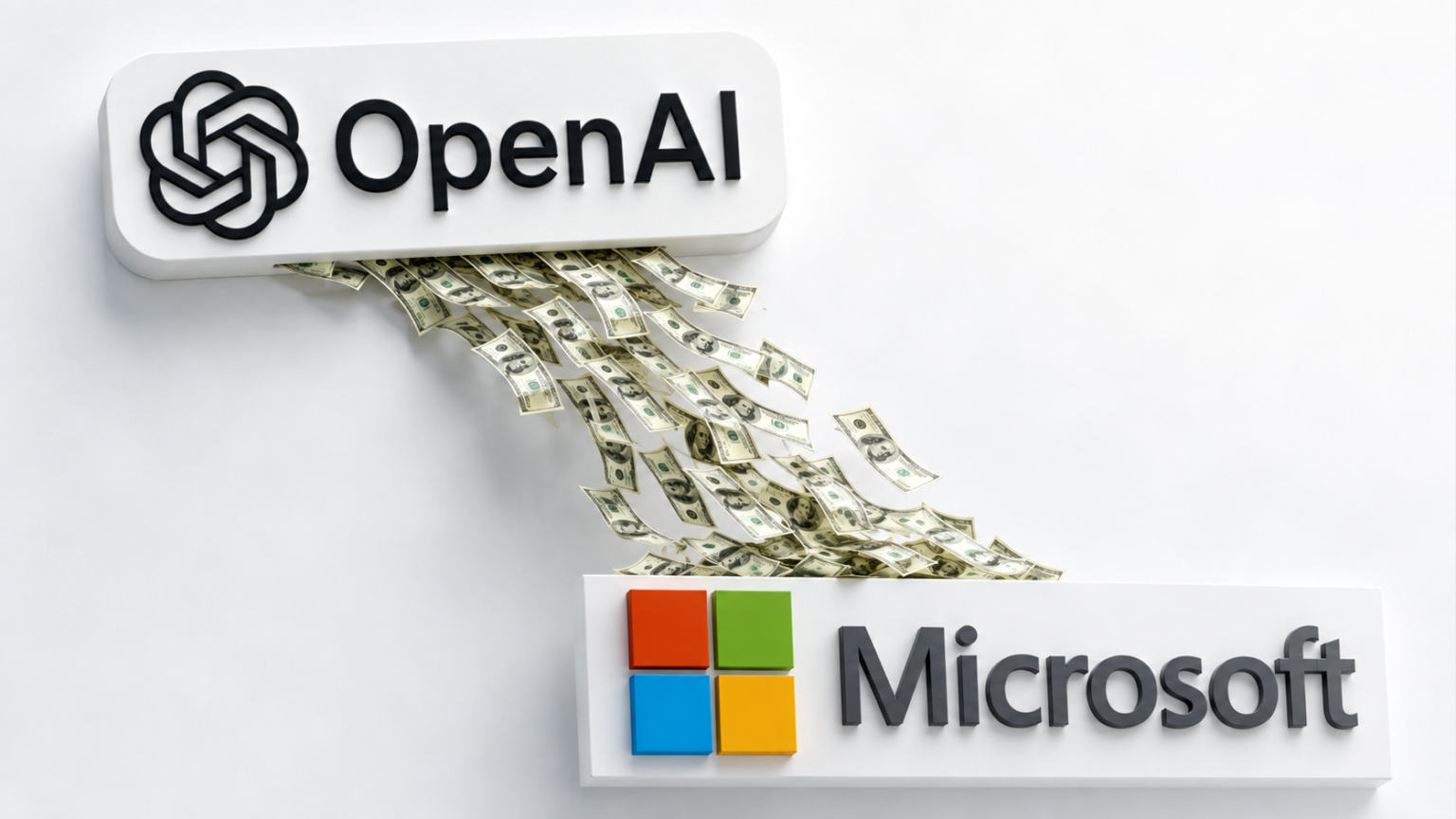
Microsoft OpenAI revenue is now the clearest concentration issue inside the software company’s fast-growing AI business. A Bloomberg analysis republished in a Yahoo Finance report estimates that OpenAI-related sales accounted for at least 70% of Microsoft’s fiscal 2026 AI revenue. That makes the ChatGPT developer more than a technology partner. It is also one of Microsoft’s largest commercial customers.
The analysis puts revenue connected to OpenAI at about $24.1 billion. Microsoft said during its April quarterly call that its AI business had reached a $37 billion annual revenue run rate, up 123% from a year earlier. Those figures are not perfectly comparable because one is a fiscal-year estimate and the other is a quarterly run rate. Still, they show why Microsoft OpenAI revenue has become an important measure of how broad the company’s AI demand really is.
Microsoft’s own backlog disclosures point in the same direction. During its fiscal second-quarter call, the company said OpenAI represented about 45% of its $625 billion commercial remaining performance obligation, or RPO. RPO is contracted business that Microsoft expects to recognize as revenue later. The company said roughly 25% of the total backlog would be recognized within 12 months.
Microsoft argued that the remaining 55%, worth about $350 billion, was spread across products, industries, regions and customers. That part of the backlog grew 28%, according to the Microsoft earnings call. This matters because Microsoft OpenAI revenue is not the whole AI story. Azure, Microsoft 365 Copilot, GitHub Copilot and security products also bring in paying customers.
The scale of Microsoft OpenAI revenue still creates concentration risk. OpenAI can now offer products through other cloud providers, while Microsoft is spending heavily on chips and data centers that need years of strong demand. The companies amended their agreement in April. Microsoft remains OpenAI’s primary cloud partner, but its model licence is no longer exclusive. OpenAI’s revenue-sharing payments to Microsoft are set to continue through 2030, subject to a cap.
Microsoft is also trying to widen its model and product mix. Its Foundry platform offers models from several developers, while its Copilot products target office work, coding and security. The broader test is whether the adoption described in The AI Decode’s enterprise AI tools guide can produce recurring sales that are less dependent on one customer. Questions about reliability also remain, as shown by recent OpenAI safety testing.
For now, Microsoft OpenAI revenue is both proof of commercial scale and a concentration warning. The next figures to watch are OpenAI’s share of Azure bookings, growth in non-OpenAI AI services and whether paid Copilot use can reduce that dependence.