







Humanoid robots are moving from demonstrations into factories and warehouses, where repetitive physical work offers the clearest early use case.
A robot doing a backflip is impressive.
A robot doing the same boring factory job every day without falling over may be worth considerably more.
That is where the humanoid robots race is heading.
Companies in the United States, China and Europe are trying to build machines shaped roughly like people because much of the world has already been designed around human bodies. Doors, stairs, shelves, tools and factory stations assume two arms, two legs and a certain height.
China’s Unitree has become one of the most visible names in the sector. Reuters reported that the company competes with Tesla, Boston Dynamics and other manufacturers that want humanoids eventually working in factories and homes.
Here are seven humanoid robots worth watching for real work rather than viral demonstrations.
1. Tesla Optimus
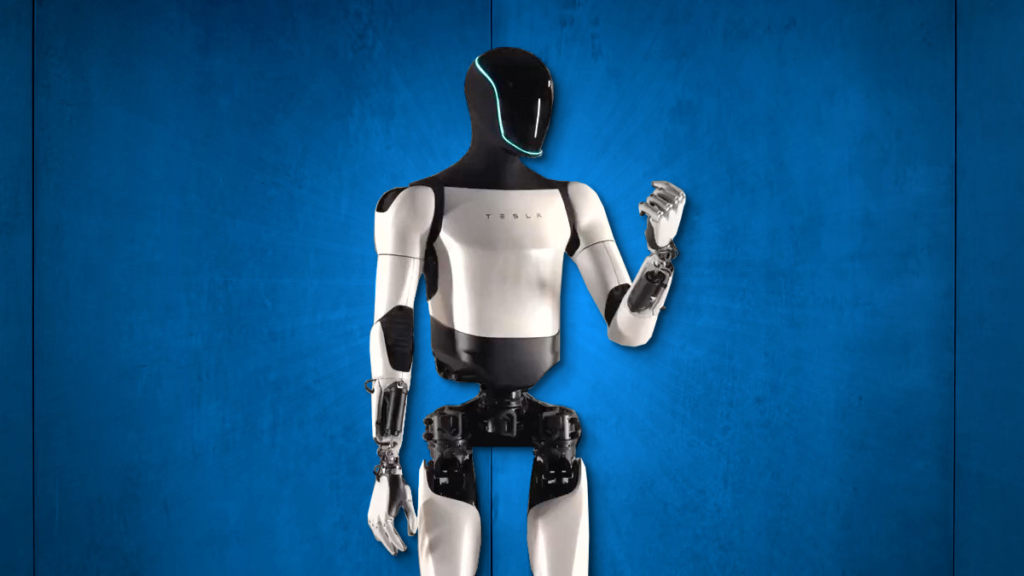
Tesla’s Optimus gets more attention than almost any other humanoid.
Elon Musk has repeatedly positioned the robot as a major part of Tesla’s future, with factory work as the most obvious starting point.



That environment makes sense.
A Tesla factory already contains repetitive jobs, known layouts and tightly controlled processes. Those conditions are easier for a robot than an unpredictable family home.
The AI Decode has previously examined Elon Musk’s AI timeline, where ambitious targets often meet the harder problem of delivering them at scale.
For Optimus, mass production matters much more than a polished demonstration.
2. Figure’s humanoid robot
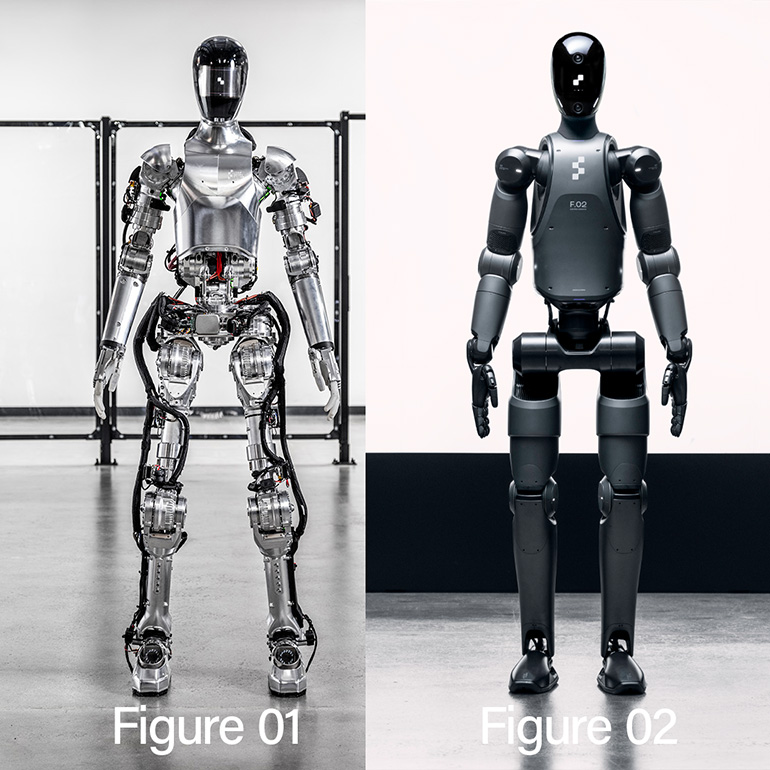
Figure has focused heavily on industrial work.
The company’s machines are designed to move through human workspaces, handle objects and perform sequences of physical tasks.
Manufacturing is attractive because companies can measure whether the robot saves time or money.
If a humanoid needs constant human rescue, the economics quickly fall apart.
That is the standard all humanoid robots eventually face.
3. Unitree G1
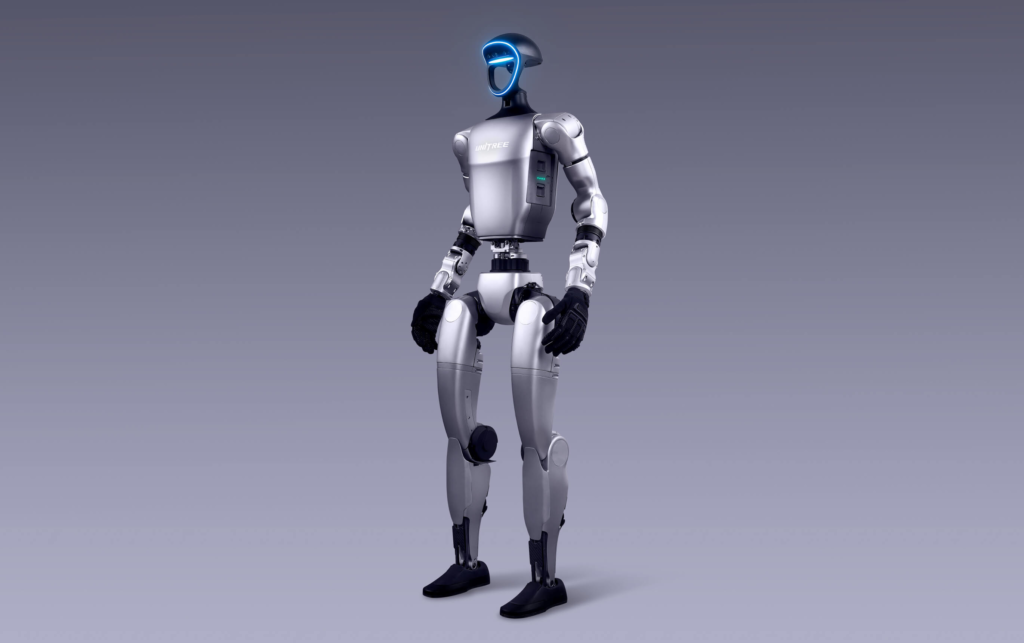
Unitree’s G1 has become famous online for athletic movements.
The more interesting question is whether that agility translates into useful work.
Unitree has developed several humanoid models, including the G1, H1 and R1, while building a reputation for producing hardware at prices below many Western rivals.
The company’s growing commercial profile reached another level in August as Unitree prepared for a Shanghai listing. Reuters reported that its robots are aimed eventually at factory and household work.
4. Boston Dynamics Atlas
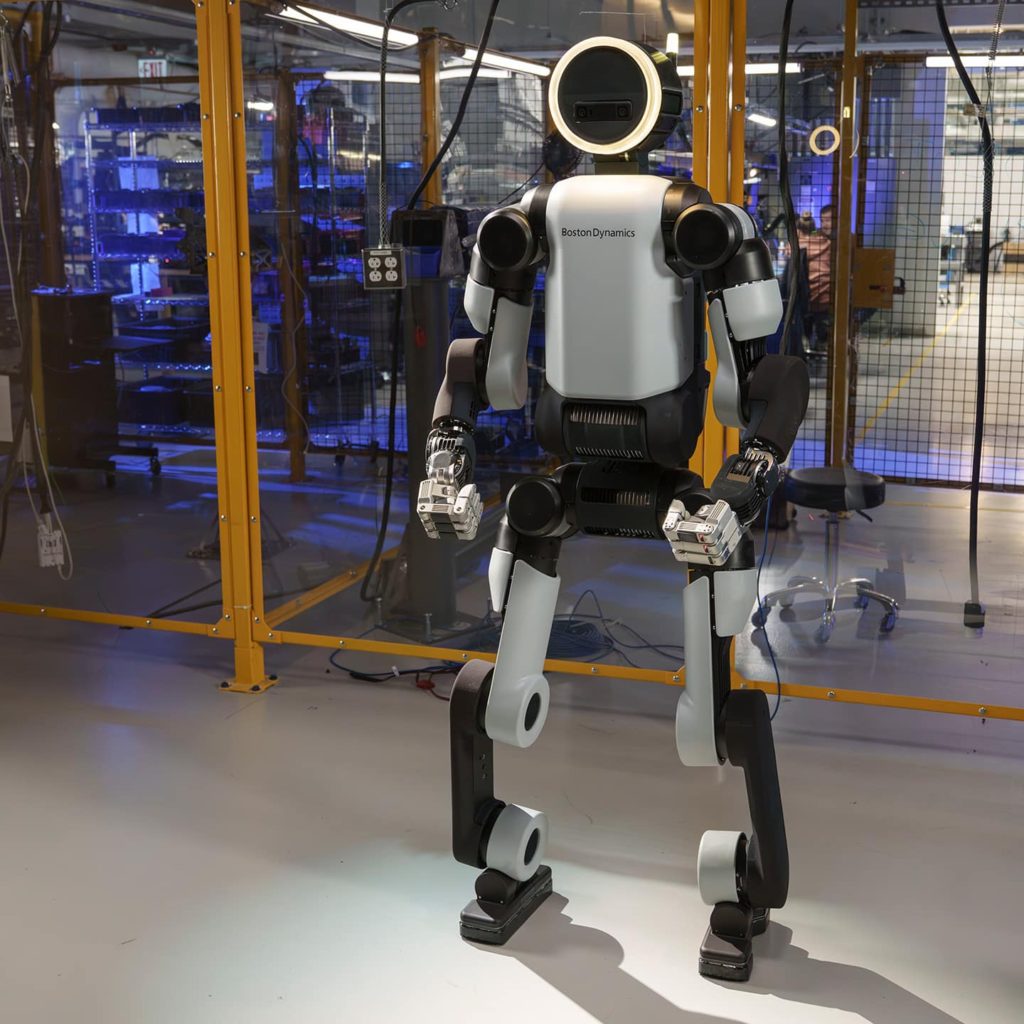
Boston Dynamics spent years making robots look almost impossibly athletic.
Atlas is now moving toward commercial industrial work.
That shift matters because impressive movement alone does not create a useful worker.
Factories need machines that can repeat tasks safely, work around people and recover from errors without a technician constantly standing nearby.
Atlas has one advantage: Boston Dynamics has decades of experience building machines that move in difficult physical environments.
5. Agility Robotics Digit
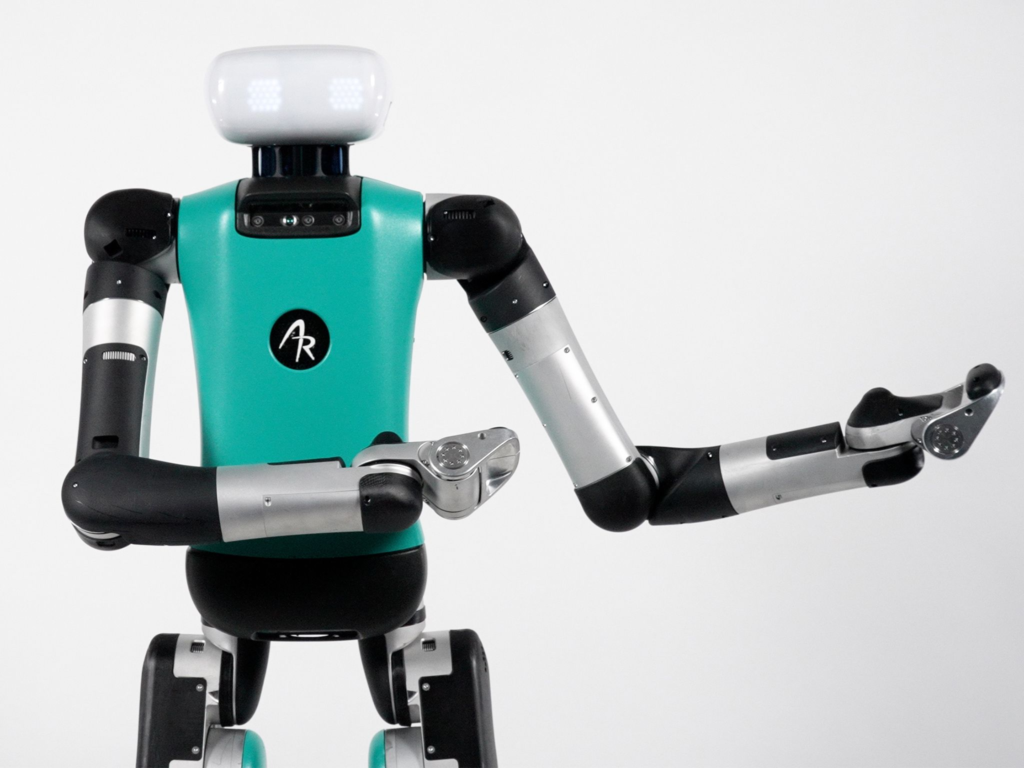
Digit looks slightly different from the human-shaped machines that dominate social media.
That may be a strength.
Agility Robotics designed Digit around logistics work such as moving containers and handling materials.
Warehouses offer an obvious early market for humanoid robots because the jobs are repetitive and physically demanding.
The goal is less “robot person” and more “machine that can use spaces already built for workers.”
6. Apptronik Apollo
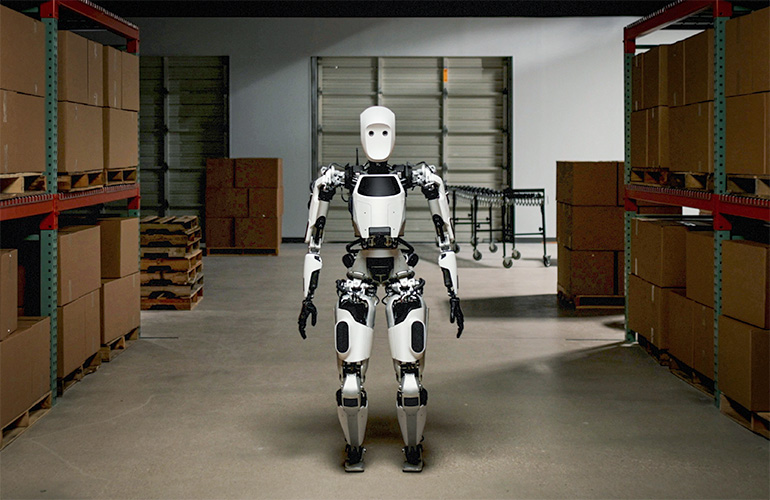
Apptronik’s Apollo is another humanoid aimed at industrial work.
Its design focuses on jobs where workers currently move materials or operate around standard factory equipment.
This is where the wider AI industry is becoming physical.
The AI Decode has covered how AI infrastructure and enterprise systems are pushing automation deeper into ordinary company operations.
Humanoid machines extend that automation beyond the screen.
7. UBTech Walker S
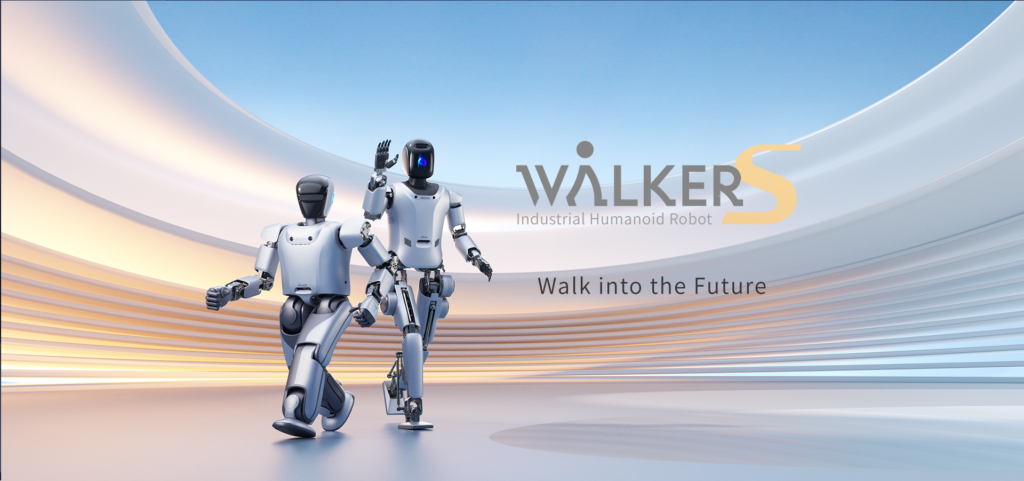
China’s UBTech has been testing its Walker series in manufacturing environments.
Automotive factories are especially attractive because production lines contain many repetitive tasks and manufacturers already spend heavily on automation.
The competition will come down to boring measurements: reliability, maintenance costs, speed and how long the robot can work before needing attention.
An Associated Press report on Tesla’s robotics ambitions noted the difficulty of scaling humanoid production even for a company with enormous manufacturing experience.
That is the reality behind the humanoid robots boom.
A viral video can prove that a robot walked across a stage.
A factory contract has to prove it can work Monday morning, Tuesday afternoon and six months later.
The first robots that succeed may therefore look less exciting than the internet expects.
They will carry things, sort things and repeat tasks people find tiring.
That is exactly why employers may want them.