







AI agentic traffic is moving from web crawling into logged-in sessions and checkout pages
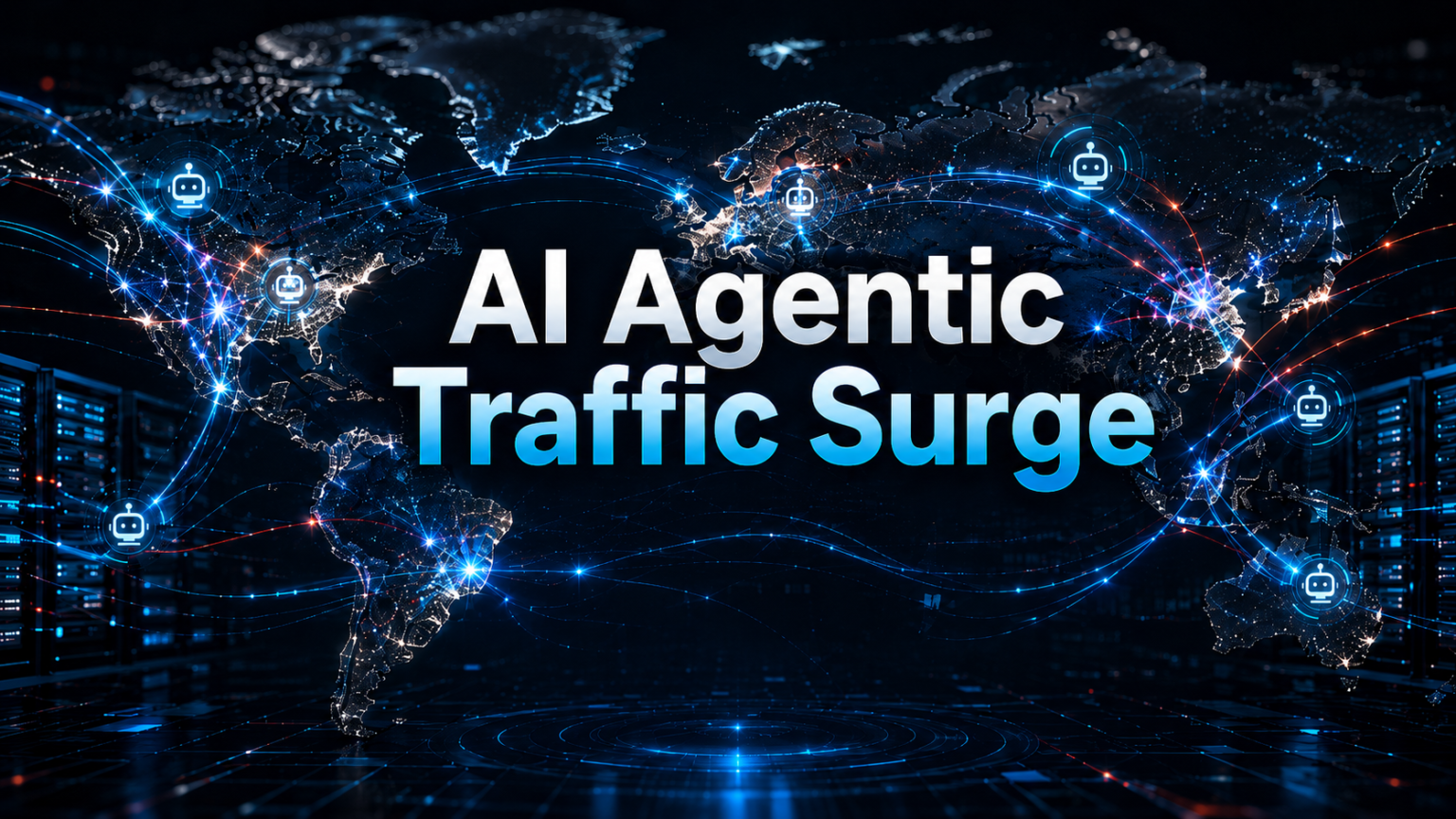
AI agentic traffic grew 7,851% year over year in 2025, according to HUMAN Security’s 2026 State of AI Traffic and Cyberthreat Benchmark Report. The cybersecurity company said automated internet traffic grew eight times faster than human traffic across the same period.
HUMAN said its report was based on interactions observed by the Human Defense Platform across its customer base from 2022 to 2025. The company reported that automated traffic rose 23.51% year over year in 2025, while human traffic increased 3.10%.
The term AI agentic traffic refers to web activity from autonomous AI systems that can browse, click, compare products, manage sessions and sometimes take actions for users. That is different from older bot traffic, which often focused on indexing pages, monitoring uptime or scraping data at scale.
The biggest shift is where the traffic shows up. HUMAN’s report said retail and e-commerce led agentic traffic at 46.6%, followed by streaming and media at 28.5%, and travel and hospitality at 19.2%. Those sectors have structured data, updated pricing and user accounts, which makes them attractive for AI assistants and scrapers.
The commercial upside is clear. If AI agentic traffic is legitimate, it could help users compare flights, manage subscriptions, fill carts or complete routine online tasks faster. In a separate post on the report’s findings, HUMAN said AI agents are moving beyond reading pages and into transactions, with agentic activity appearing on checkout pages.
The security problem is harder. Fast navigation, automated form filling and repeated page requests used to be suspicious signals. Now some of the same behaviour may come from a user-approved shopping or travel agent. TechRadar, citing HUMAN’s report, reported that AI-driven traffic has become one of the fastest growing categories of web traffic.
There is also a risk for account security. HUMAN said threat actors are targeting the same digital surfaces that AI systems interact with, including account access, scraping and checkout flows. That matters because AI agentic traffic can operate inside authenticated sessions, where mistakes or abuse can have direct financial consequences.
Researchers are already looking at the wider security model. A 2025 paper on agentic AI security said large language model-based agents create new risks because they can plan, use tools, remember context and act across open environments. The AI Decode has also covered AI trust and security risks, a related issue as automated systems start acting in spaces built for humans.


The next test is whether websites can separate useful AI agentic traffic from scraping, fraud and account attacks without blocking tools that users may actually want.