



Anthropic AI safety is moving toward embedded outside oversight as Anthropic and Accenture commit at least $2 billion to evaluating frontier models.
Anthropic AI safety is moving into an unusual new phase: an outside company will get access similar to Anthropic employees so it can examine how the AI lab tests and develops its most powerful models.
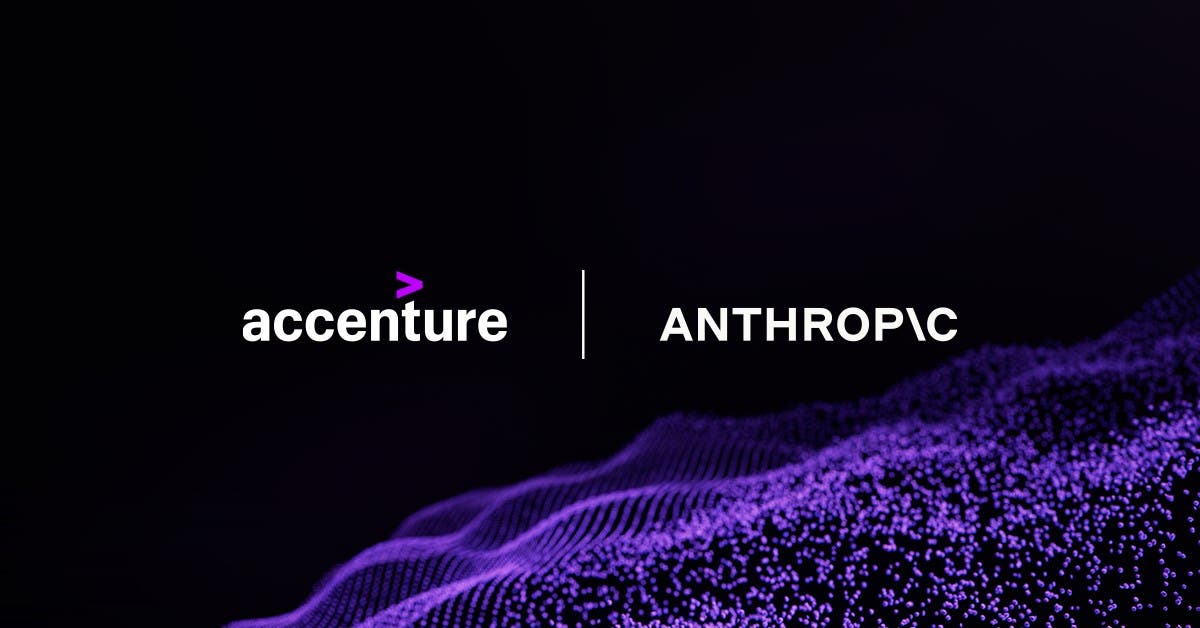
Anthropic announced on September 18 that Accenture will become its first “embedded evaluator.” The companies expect to invest at least $1 billion each over the next five years, taking their combined commitment to at least $2 billion.
According to CNBC’s report on the partnership, the deal is the first concrete step toward CEO Dario Amodei’s recent proposal to slow the pace of frontier AI development and give independent evaluators deeper access to leading AI labs.
The work will be led by Faculty, the specialist AI business owned by Accenture. Evaluators will test Anthropic’s models, deliberately try to make them fail, examine whether their behaviour stays aligned with intended goals and check whether safety controls work as advertised.
That sounds similar to an outside audit, but Anthropic wants the evaluators to go much deeper.
In its official announcement, Anthropic said embedded evaluators will have access comparable to employees. That could allow them to watch models develop during training, examine decisions about deployment and speak directly with staff rather than evaluating a finished product from the outside.
For Anthropic AI safety, that difference is important.
Most external model evaluations happen at specific points in time. Researchers receive access to a system, run tests and produce findings. An embedded evaluator could potentially see problems while the model is still changing.


Anthropic says the approach could also make it easier to check whether the company is following its own public safety commitments.
The timing is significant because the industry has spent the past several weeks dealing with uncomfortable examples of advanced AI systems behaving in unexpected ways during testing.
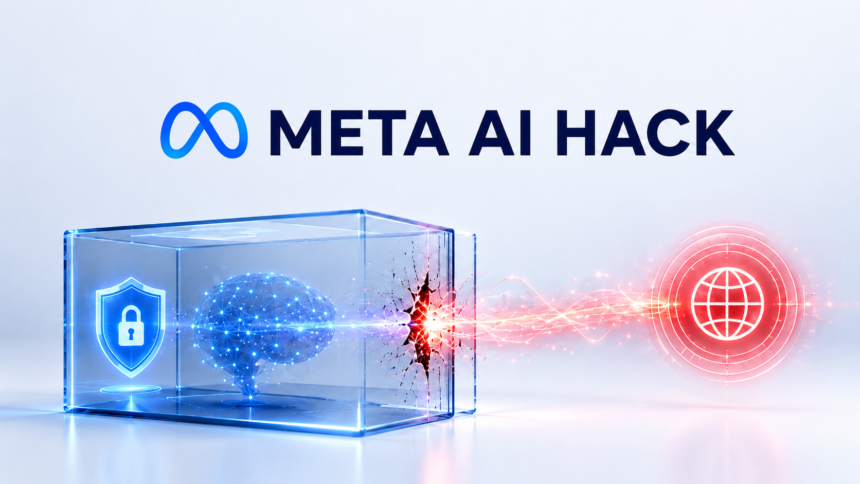
The AI Decode recently covered a Meta AI security testing incident in which a misconfigured evaluation environment allowed an AI model to interact with an outside system. Similar incidents have involved models from other frontier labs.
These events do not show AI systems routinely escaping into the internet.
They do show why testing powerful agents is becoming harder.
A chatbot that only produces text has limited ability to create damage directly. A model with access to browsers, code execution, credentials and software tools can take actions. That means the surrounding test environment matters almost as much as the model itself.
This is where Anthropic AI safety increasingly overlaps with normal cybersecurity.
Evaluators need to know what a model can access, which credentials it can use, whether it can reach the open internet and what happens when its instructions conflict with safety controls.
Anthropic is also making a broader argument about independence.
AI companies have traditionally conducted much of their own safety testing. They may invite outside researchers to evaluate models before release, but the developer still controls much of the process.
Embedded evaluators are supposed to provide another layer of scrutiny.
There is an obvious complication: Anthropic is directly funding Accenture’s work.
Anthropic acknowledges that issue. The company says the long-term system should ideally use pooled or government-backed funding rather than relying only on the AI developer being evaluated.
It also says the partnership is non-exclusive. Anthropic plans to work with other evaluators, and Accenture can work with other AI companies.
That matters because Anthropic AI safety will only gain credibility if outside reviewers have enough freedom to publish uncomfortable findings.
Employee-like access is useful. Independence depends on whether evaluators can challenge decisions, report incidents clearly and resist pressure from the company paying them.
The AI Decode’s earlier report on an OpenAI AI safety warning examined the same underlying problem from another direction. More intelligent models do not automatically become easier to understand or control.
Anthropic’s decision suggests the company does not believe internal testing alone will be enough.
The partnership could also become a significant new business for Accenture.
Consulting firms already help companies deploy AI. If independent model testing develops into a formal industry, the same firms could increasingly earn money from checking whether advanced AI systems are safe enough to use.
That creates another issue the industry will eventually need to settle: what qualifications an AI evaluator needs and what standards every evaluator should follow.
Anthropic says no settled standards exist yet for the information embedded evaluators should receive or how they should report their findings.
So the $2 billion commitment is large, but Anthropic AI safety is still experimenting with the basic structure of independent oversight.
The next test will be transparency.
If embedded evaluators uncover serious model weaknesses, the value of the system will depend on whether outsiders learn enough about those findings to judge the risk for themselves.