




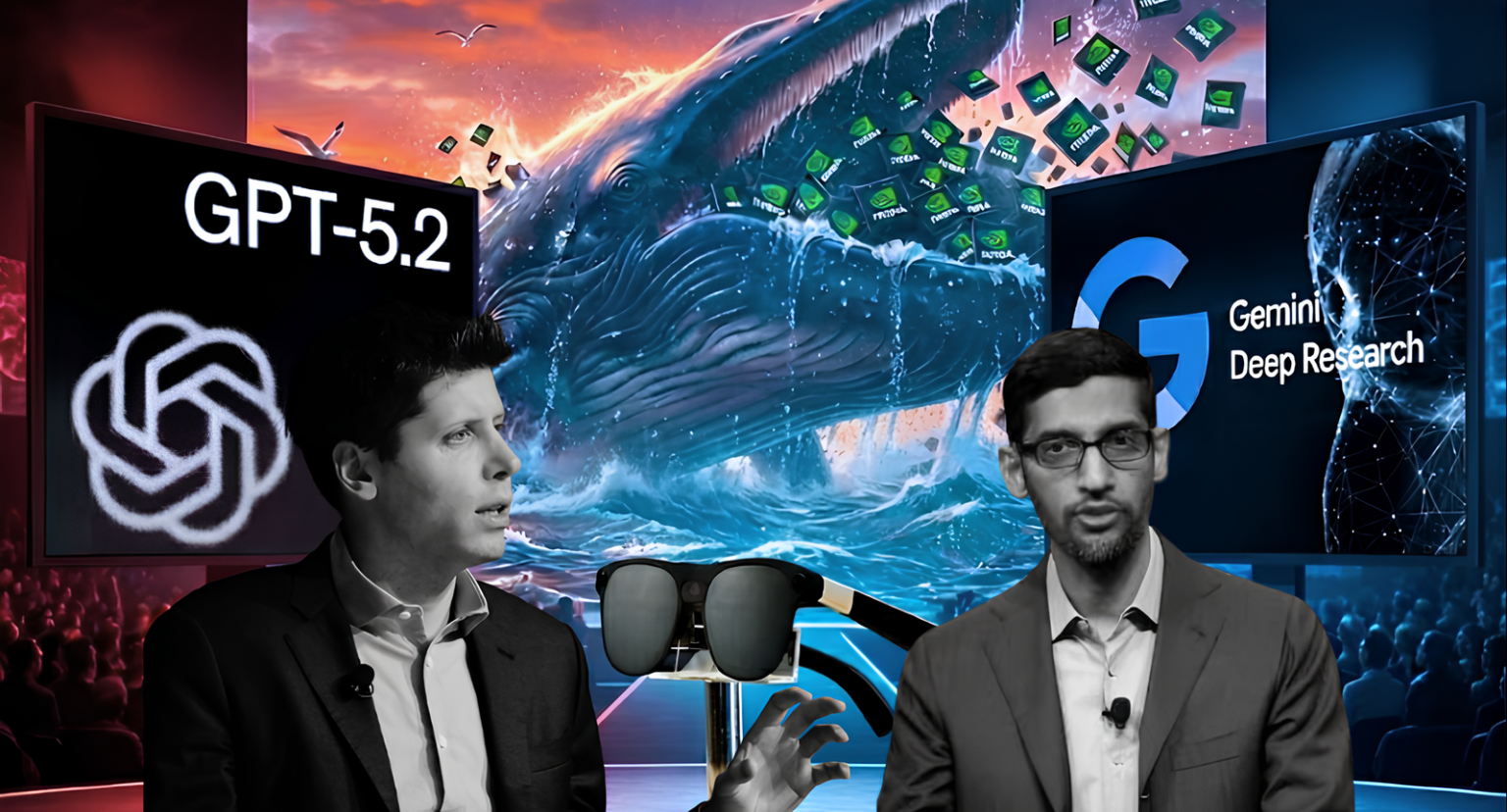

This week made it clear how fast the AI and broader tech space is moving. New models and agents were launched, big money flowed into infrastructure, IP licensing shifted from conflict to collaboration, pricing wars intensified, and hardware restrictions came back into focus.
Below are the Top seven AI stories that actually mattered this week, with clear context on why they matter and what to watch next.
1) OpenAI launches GPT-5.2 as competition intensifies
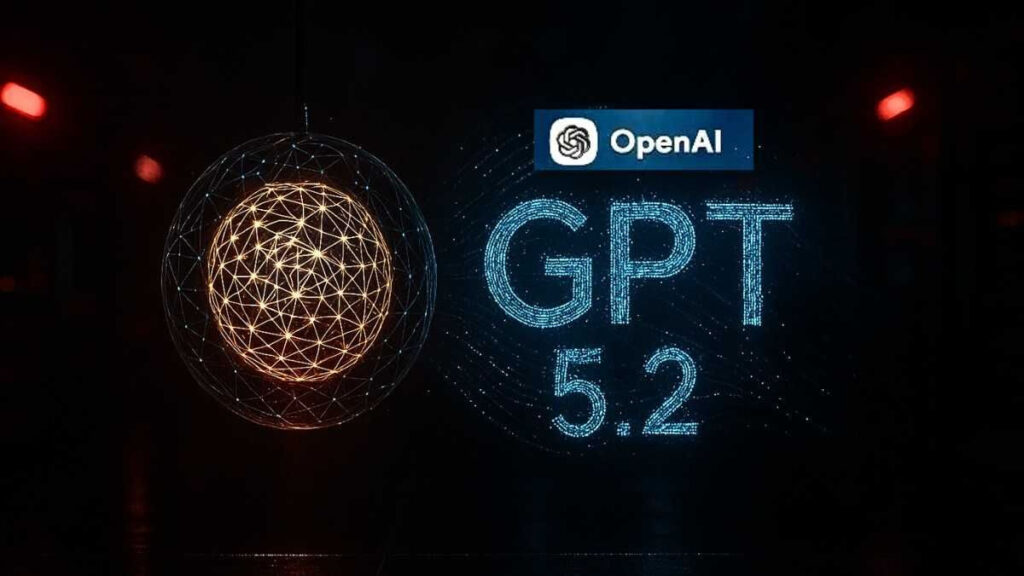
OpenAI released GPT-5.2 on 11 December, introducing three versions aimed at different use cases. Instant is designed for fast, everyday tasks, Thinking targets structured work like coding and long-document analysis, and Pro focuses on maximum accuracy for complex problems.
According to OpenAI, GPT-5.2 improves performance across spreadsheets, presentations, code, image understanding, long-context reasoning, and multi-step tool use. The release is clearly aimed at professional users and developers rather than casual experimentation.
GPT-5.2 Pro
— OpenAI (@OpenAI) December 11, 2025
Our smartest and most trustworthy model for difficult questions:
– Stronger performance in complex domains like programming
– Best model for assisting and accelerating scientists
The timing is notable. The launch follows growing competition from Google’s Gemini 3 and reports of internal concern at OpenAI over traffic and market-share pressure. GPT-5.2 appears designed to reinforce OpenAI’s position with enterprises and developers rather than win attention through novelty alone.
What to watch:
Early feedback on performance, pricing, and developer adoption will indicate whether GPT-5.2 shifts momentum or mainly helps OpenAI defend its current position.
2) Time names “Architects of AI” as Person of the Year 2025

Time magazine named the “Architects of AI” as its 2025 Person of the Year, recognizing a group of leaders and researchers shaping the development and deployment of artificial intelligence rather than a single individual.
The designation highlights figures across major AI labs and companies who have driven advances in large models, infrastructure, and real-world adoption over the past year. Instead of focusing on one face, Time emphasised the collective impact of those building the systems now influencing work, media, and daily life at scale.


The choice reflects how AI’s influence has shifted from experimental technology to a structural force across industries. It also signals broader public recognition that the people designing these systems are now as consequential as traditional political or business leaders.
What to watch:
How increased visibility and scrutiny affect governance, regulation, and accountability around AI development, particularly as these “architects” gain more cultural and political attention.
3) Disney partners with OpenAI as IP licensing takes center stage

Disney signed a three-year partnership with OpenAI and committed a $1 billion equity investment. The deal allows OpenAI’s Sora video generator and ChatGPT Images to use more than 200 Disney, Marvel, Pixar, and Star Wars characters and elements, excluding talent likenesses and voices.
Disney also plans to become a major OpenAI customer, using its APIs to build new products and experiences, including within Disney+.
This partnership marks a shift from legal disputes over training data toward licensed collaboration. It suggests a practical template for media companies to work with generative AI while retaining IP control.
What to watch:
Actual product launches, user experience quality, and any early engagement or revenue signals that show whether licensed AI content resonates with audiences.
4) Microsoft commits $23 billion to AI infrastructure across regions

Microsoft announced $23 billion in new AI investments, including $17.5 billion earmarked for India and more than C$5.42 billion for Canada over the next two years.
India’s fast-growing digital economy has become a priority for major U.S. tech firms, and Microsoft’s investment signals a long-term push into cloud infrastructure, partnerships, and AI capacity in the region.
Rather than competing only at the model or software level, Microsoft is making a physical infrastructure bet that could influence local ecosystems, skills development, and long-term market share.
What to watch:
Data center rollouts, partner adoption, and enterprise uptake will determine whether these investments translate into durable competitive advantage.
5) Warby Parker and Google plan AI smart glasses

Warby Parker is partnering with Google to develop lightweight AI-powered glasses, expected to launch in 2026. The collaboration suggests that AI wearables are moving beyond niche experiments into mainstream retail.
Unlike earlier smart glasses efforts aimed at early adopters, this partnership brings AI hardware into a brand already trusted for everyday eyewear. That could lower barriers related to comfort, styling, and distribution.
Success will depend less on novelty and more on execution. Battery life, privacy safeguards, comfort, and genuinely useful daily features will matter more than demos.
What to watch:
Design details, pricing, and how privacy and safety concerns are addressed once prototypes or early demos emerge
6) Google introduces a low-cost AI Plus plan in India
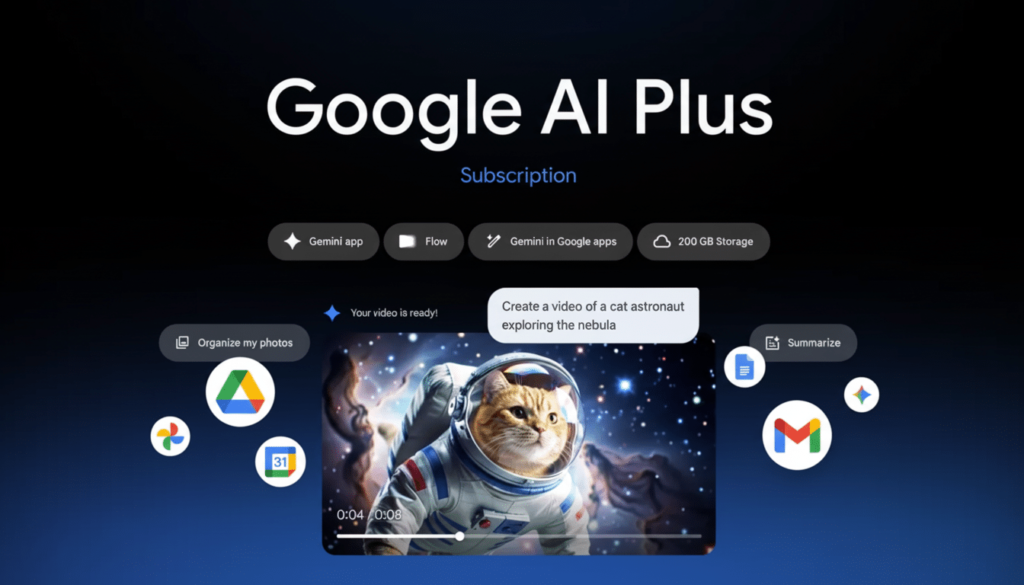
Google launched an AI Plus subscription in India priced at ₹199 per month for the first six months, rising to ₹399 afterward. The plan includes higher limits for Gemini 3 Pro, image editing, video generation, deeper research in NotebookLM, 200 GB of storage, and family sharing.
Previously, Google’s lowest AI pricing in India was significantly higher, while competitors had already moved toward aggressive local pricing.
The strategy targets rapid user growth and engagement in a highly competitive market. The challenge will be retaining users once promotional pricing ends.
What to watch:
Adoption numbers, retention after the introductory period, and competitive responses from rival platforms.
7) Allegations of banned chip use highlight compliance risks

A report from The Information alleged that DeepSeek used restricted Nvidia chips while racing to build its next AI model. The claims raise concerns around export controls, supply chains, and regulatory compliance.
With demand for advanced GPUs remaining high and restrictions tightening, such allegations can trigger investigations or enforcement actions that disrupt operations and partnerships.
This story highlights how hardware access and regulation now sit alongside model launches, pricing strategies, and partnerships as core constraints on AI development.
What to watch:
Any official findings, regulatory responses, or procedural changes by companies or authorities that could affect hardware access and industry confidence.
Final takeaway
This week’s developments show a multi-front contest playing out across AI. New models and agents, licensed IP partnerships, infrastructure spending, pricing battles, consumer hardware ambitions, and compliance risks are all shaping how the industry moves forward.
In the days ahead, adoption data, developer behavior, regulatory signals, and user retention will reveal which of these moves create lasting advantage and which remain short-term responses to a rapidly shifting market.