






Seven updates that signal where power, trust and control in AI are moving
Some weeks bring product announcements. Others quietly redraw the lines of control, trust, and scale. This was one of those weeks.
From autonomous taxis integrating conversational AI, to governments formally embedding private AI systems into national workflows, to hardware consolidation that will shape how intelligence itself is computed, the past seven days revealed where the foundations of the AI economy are now being laid.
1.ChatGPT Introduces Your Year with ChatGPT

AI becomes a personal record keeper
OpenAI released Your Year with ChatGPT, a year-end review that summarizes how users interacted with the model, the topics explored, patterns of use, and engagement style. More than a recap, it frames ChatGPT as a personal knowledge archive rather than just a task assistant.This shift positions AI as something that quietly documents intellectual life, not just responds to it.
2.Waymo Begins Testing Gemini Inside Robotaxis
Conversational AI enters public transport
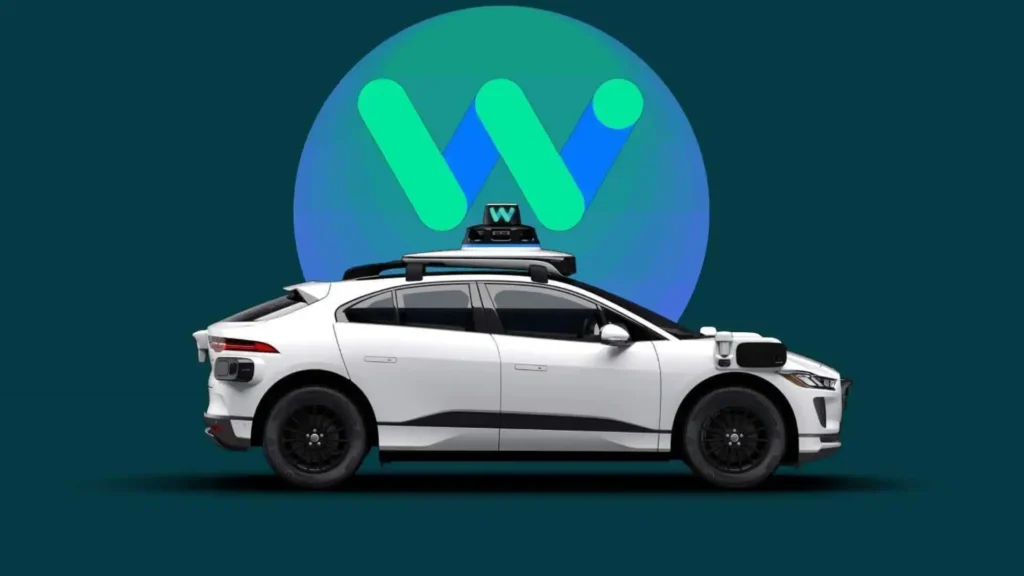
Waymo has begun testing Google’s Gemini model as an in-car assistant across its autonomous taxi fleet. The assistant answers questions, manages cabin functions, and provides general information, while remaining isolated from the driving system itself.It marks a step toward conversational AI becoming a standard layer of public mobility infrastructure.


3.NVIDIA Moves to Absorb Groq in Reported $20B Deal

Control over AI hardware tightens
NVIDIA is reported to be acquiring Groq, a high-performance inference-chip challenger, in a deal valued at approximately $20 billion. The acquisition would consolidate NVIDIA’s leadership across both training and inference hardware, the physical layer on which modern AI systems operate.This signals a narrowing field of companies shaping the future compute backbone of artificial intelligence.
4.Pentagon Integrates xAI’s Grok Into Official Systems
Private AI becomes institutional infrastructure
The U.S. Department of Defense has expanded its GenAI.mil platform to include xAI’s Grok models, allowing their use across sensitive but unclassified military and civilian workflows.AI is no longer experimental inside the government. It is being standardized.
5.ChatGPT Adds User-Controlled Warmth and Enthusiasm

Machine personality moves under user control
OpenAI has added adjustable settings that let users tune ChatGPT’s emotional tone from neutral to expressive. The update signals a deeper personalization layer, placing conversational personality into user hands rather than default design.It is a step toward AI becoming a persistent personal interface, not just a productivity tool.
6.Professional AI Discourse Accelerates Across Social Networks

Product trust forms in real time
Developer communities and AI researchers rapidly surfaced reactions, tests, and interpretations of new deployments across professional networks. This public layer is now shaping perception, trust, and adoption speed for AI products almost as much as official announcements.
7.Governments Expand Formal AI Procurement

Commercial models become national infrastructure
Major AI vendors are now receiving structured, long-term government contracts, embedding commercial AI tools into official public systems. These are not pilots, they are institutional integrations.AI has crossed into the domain of national infrastructure planning.
Key takeaways:
•AI is shifting from consumer software into infrastructure
• Governments are formalizing private AI models inside public systems
• Hardware power is consolidating
• Conversational AI is entering public mobility
• Personalization is becoming structural, not cosmetic
• Public discourse is shaping product trust in real time
• AI governance is now a matter of national policy