






AI loops move coding agents from one-off prompts toward continuous software work.
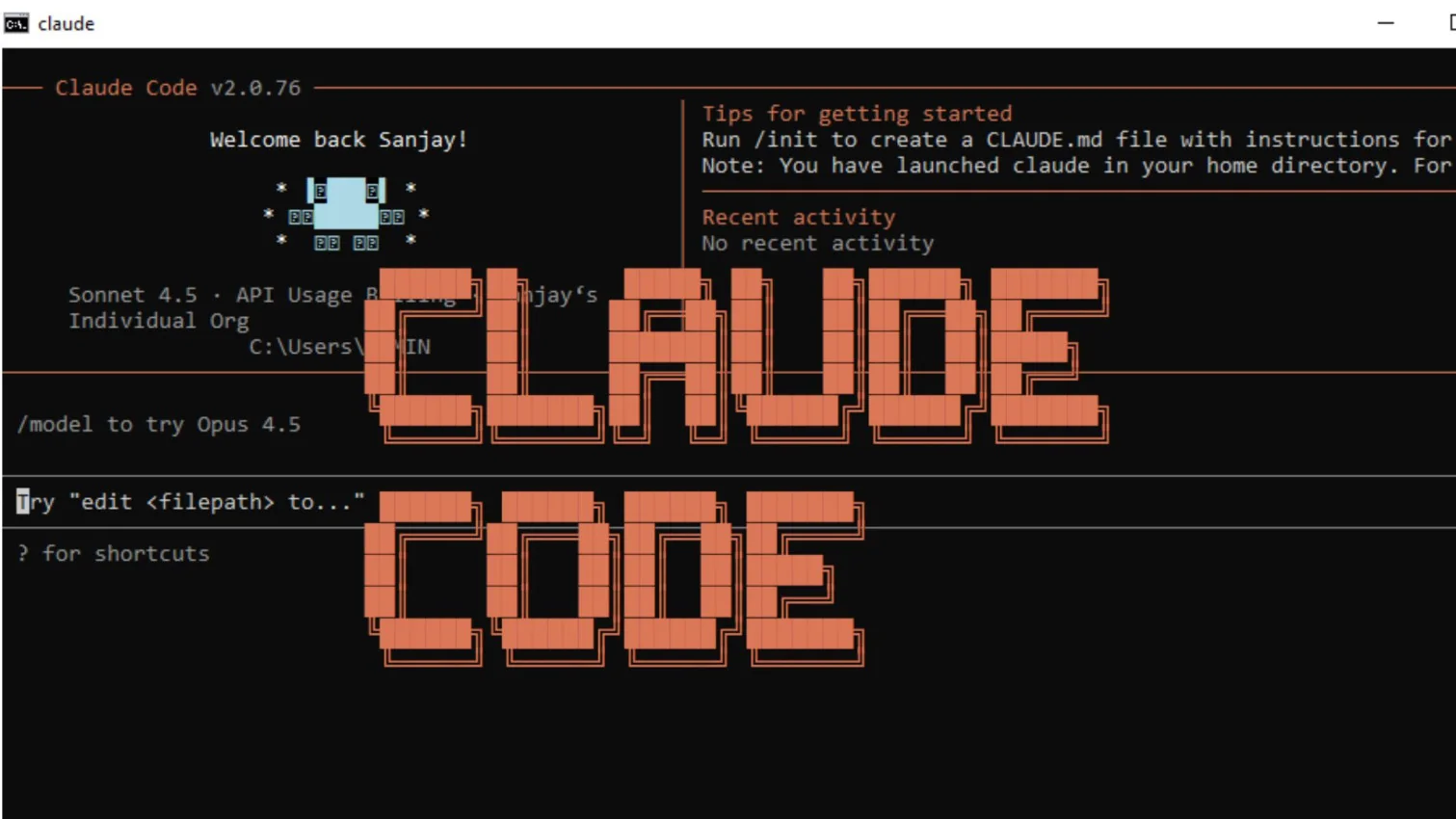
AI loops are becoming the latest debate in agentic software development after Claude Code creator Boris Cherny discussed the idea at Meta’s @Scale conference. According to TechCrunch, Cherny said developers are moving from writing source code by hand to agents writing code, and now toward agents prompting other agents that then write code.
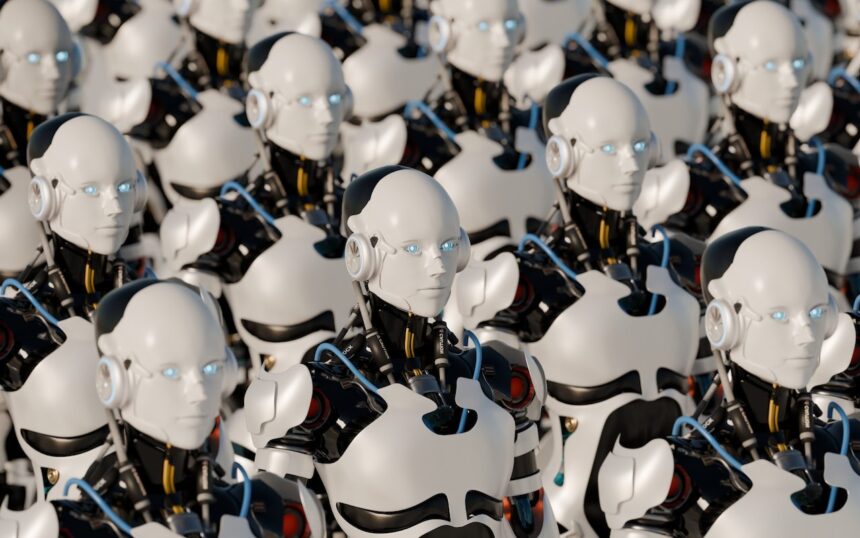
The idea is simple, but the consequences are not. AI loops are recurring workflows where an agent keeps checking a task, running tools, reviewing progress and deciding what to do next. In Cherny’s example, one agent keeps looking for code architecture improvements while another searches for duplicated abstractions that can be unified. Those agents can submit pull requests like human developers.
This is different from a normal chatbot prompt. A prompt asks for one answer. A loop creates a process that can run again and again. That makes AI loops attractive for software maintenance, refactoring, testing and documentation work where small improvements can add up over time.
Anthropic’s own research gives the trend more context. In a June 16, 2026 report, Anthropic said it analysed about 400,000 Claude Code sessions from roughly 235,000 people between October 2025 and April 2026. The report focused on how developers use agentic coding tools in practice, including what work is being done and how expertise still matters.
The positive case is clear. AI loops could let engineering teams assign agents to repetitive codebase checks that rarely get enough attention. A loop can watch for stale abstractions, run tests, review logs and open a pull request when it finds a fix. That could help teams deal with technical debt without stopping product work.
Other engineers are also framing loops as a design pattern. In a June 7, 2026 post, Google Cloud engineer Addy Osmani wrote about loop engineering as the shift from manually prompting coding agents to designing systems that prompt them. His framing points to a broader move away from one-shot AI use toward managed agent workflows.
The risk is cost and control. TechCrunch noted that loops can burn through tokens faster than simple question-and-answer chatbots because the system is meant to keep running. That matters for companies already watching AI subscription costs and API bills. The AI Decode recently covered the same pressure in AI subscription costs, where heavy agent usage is testing flat monthly plans.
There is also a quality problem. An AI loop that keeps editing code can still misunderstand a requirement, duplicate a bad pattern or produce changes that pass narrow tests but weaken the system. A 2025 arXiv study of 567 GitHub pull requests generated with Claude Code found that 83.8% were accepted and merged, but 45.1% of merged pull requests still required additional changes.

That makes oversight the real issue. AI loops may help with long-running work, but they also make it easier for mistakes to run longer before someone notices. For now, the open question is whether teams can build enough review, budget limits and rollback controls around AI loops before they become a normal part of software engineering.