





This week in artificial intelligence made one thing clear: AI is no longer evolving in isolation. It is being shaped, sometimes quietly, sometimes aggressively, by governments, markets, labor realities, and physical infrastructure.
From federal pressure on state laws to AI models training in orbit, these seven developments show how AI is moving from experimentation to consequence.
Here’s what defined the week.
1) White House Moves to Override State AI Laws
The bigger picture:
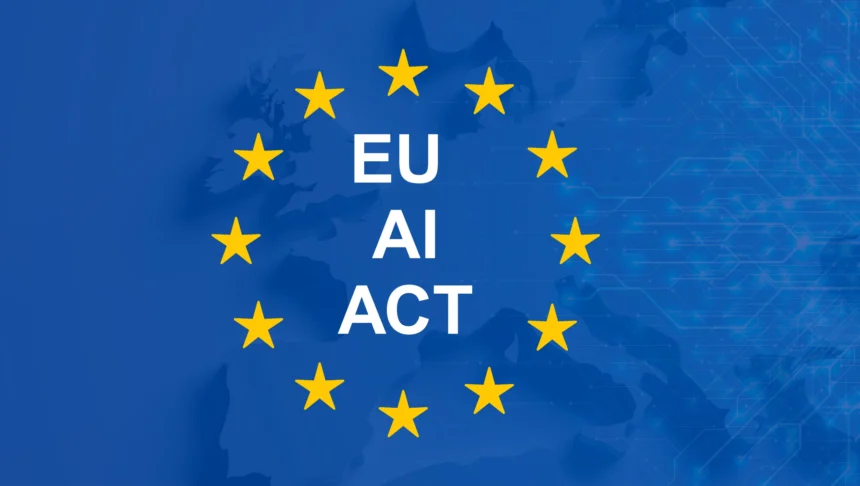
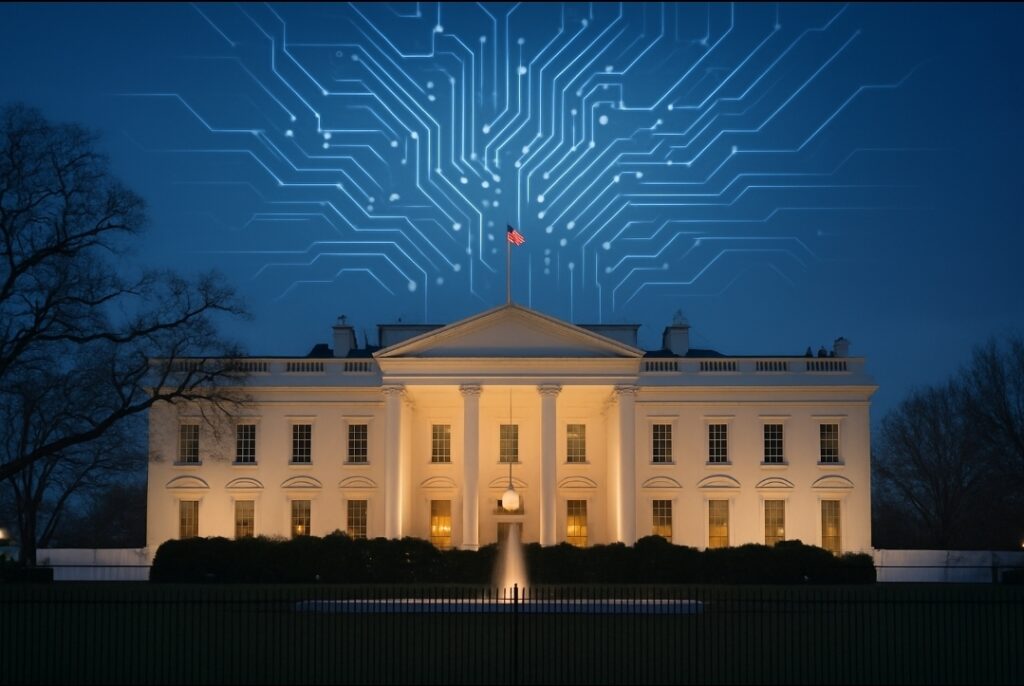
President Trump signed an executive order instructing federal agencies to identify and challenge state-level AI regulations, including through lawsuits or by withholding federal funding.
The administration argues that a patchwork of state rules, especially anti-discrimination laws like Colorado’s, creates friction for companies and gives China a strategic advantage. Nearly two dozen state attorneys general pushed back, warning that broad federal preemption would be unconstitutional.
The outcome could determine whether states retain the power to protect residents from AI bias in hiring and housing, or whether AI companies operate under looser federal oversight with limited local accountability.
2) NVIDIA GPU Trains the First AI Model in Space


What changes now:
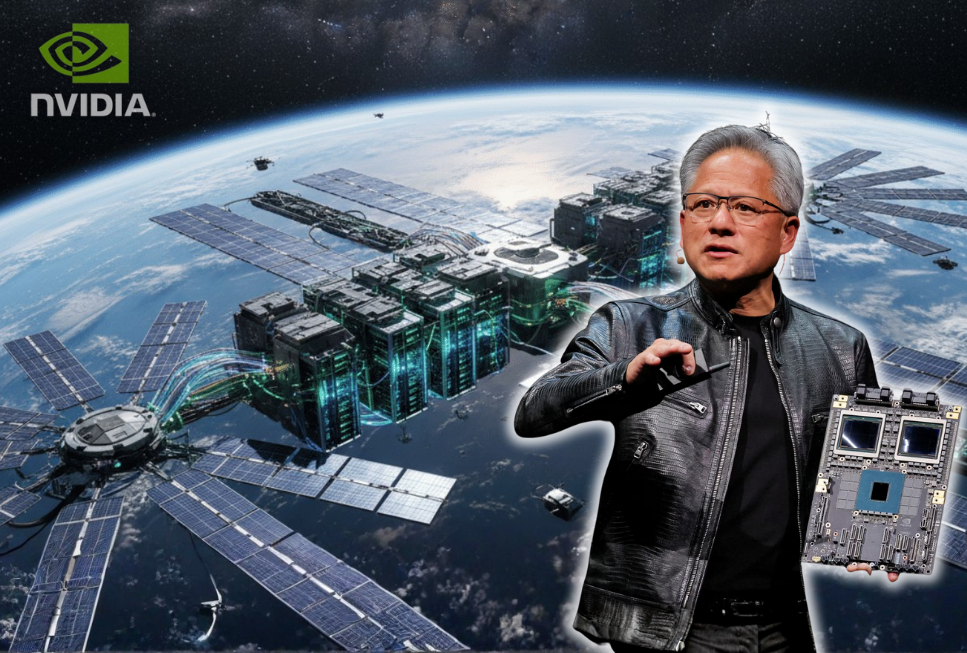
A startup called Starcloud successfully trained an AI model in orbit using an NVIDIA H100 chip aboard a satellite launched last month. Running Google’s Gemma language model, the system used hardware roughly one hundred times more powerful than any processor previously sent into space.
The experiment suggests future AI data centers could operate in orbit, where solar power is continuous and cooling occurs naturally in vacuum. Starcloud estimates energy costs could be up to ten times cheaper than Earth-based computing, even after factoring in launch expenses.
3) ChatGPT Becomes the Fastest App Ever to Reach $3 Billion
The bigger picture:
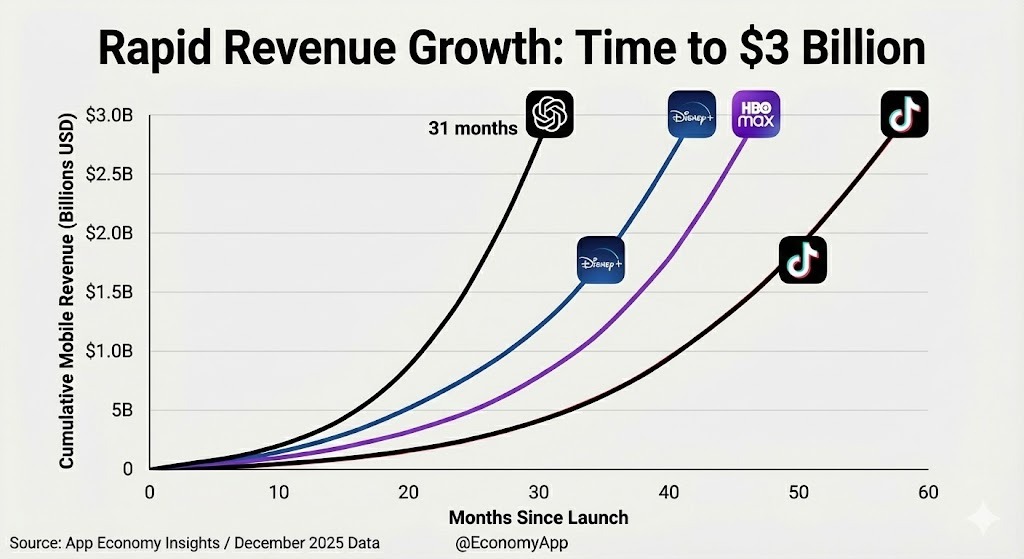
ChatGPT’s mobile app crossed $3 billion in global consumer spending, reaching the milestone in just 31 months, faster than TikTok or Disney+. The majority of that spending occurred this year, with an estimated $2.48 billion generated in 2025 alone. Revenue is driven primarily by subscriptions, including ChatGPT Plus at $20 per month and ChatGPT Pro at $200.
The figures show that users increasingly treat AI assistants like essential services, paying monthly rather than experimenting casually.
4) Banks Admit AI Productivity Gains Will Reduce Jobs

The trade-off:
Major banks told investors that AI is now delivering tangible productivity gains across their operations, and that fewer people will be needed as a result. JPMorgan reported productivity increases of around six percent, with operations roles potentially seeing gains of 40–50% as AI becomes routine.
Bloomberg Intelligence estimates global banks could cut up to 200,000 jobs over the next three to five years. The clearest impact is in document-heavy, rule-based work where AI can search, summarize, and draft faster than humans.
5) OpenAI and Anthropic Bet Big on India
What to watch:
OpenAI and Anthropic are expanding hiring in India and preparing to open local offices. OpenAI currently lists nine India-based roles across sales, partnerships, growth, and technical functions, and plans to open its first India office in New Delhi by year-end.
Anthropic is hiring sales-focused roles in Bangalore, with an office planned for early 2026. The expansion reflects India’s growing importance as both a massive AI user market and a deep engineering talent pool supported by seamless digital payments.
6) ChatGPT Tightens Safeguards for Users Under 18

What changes now:
OpenAI updated ChatGPT’s guidelines to introduce stricter protections for users under eighteen. The chatbot will now refuse immersive romantic roleplay, first-person intimacy, and any sexual or violent scenarios involving teen users.
It will also respond more cautiously to conversations about body image and disordered eating, and prioritize safety when immediate harm is detected. Automated age-prediction systems are being rolled out to apply these protections even when users do not explicitly identify as minors.
7) NVIDIA Lowers the Cost of Building Advanced AI Assistants

The bigger picture:
NVIDIA released a new family of open AI models called Nemotron-3, allowing companies to build their own assistants and chatbots for free. The models support extremely long context windows, up to one million words, while running faster than previous systems.
NVIDIA is also releasing the full training data and methodology, enabling companies to customize models without starting from scratch. This lowers the barrier for smaller firms to compete with tech giants by building specialized AI tools tailored to specific industries.
Key Takeaways
This week showed AI becoming more regulated, more profitable, more global, and more consequential. Governments are asserting control, companies are acknowledging workforce impacts, infrastructure is expanding beyond Earth, and consumers are proving they will pay. AI is no longer emerging, it is being embedded into systems that shape everyday life.
The next phase of AI will be defined not by novelty, but by governance, scale, and consequence.
You’re reading our weekly AI briefing. Forward this to someone who wants signal, not hype.