





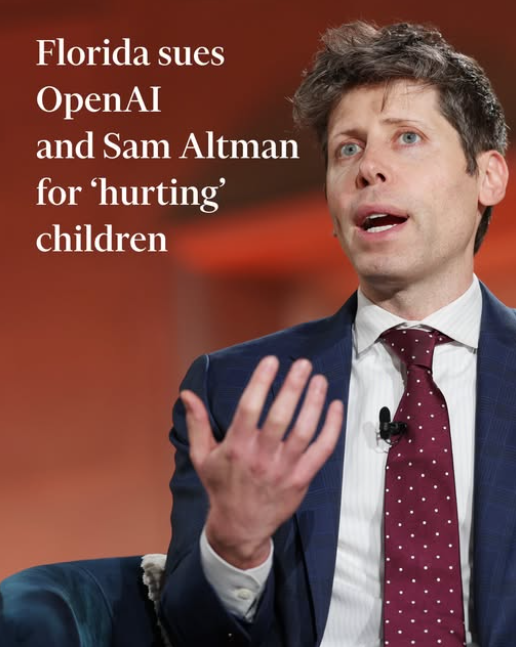

The OpenAI lawsuit filed by Florida has pushed ChatGPT safety into a new legal fight, with the state accusing OpenAI and CEO Sam Altman of putting users, especially children, at risk.
Florida Attorney General James Uthmeier filed the OpenAI lawsuit on June 1, 2026. According to Reuters, Florida became the first U.S. state to sue OpenAI over child safety risks linked to ChatGPT. The case names both OpenAI and Altman, and seeks damages as well as changes to how ChatGPT handles young users.
The OpenAI lawsuit argues that the company released and marketed ChatGPT while ignoring warnings about harmful use. AP reported that Uthmeier accused the company of suppressing safety concerns and misleading users about the product’s risks. OpenAI has said in past statements that its models are trained to reject violent and self-harm content, and that it has added safety tools such as parental controls and age checks.
The case has gained wider attention after posts by Evan Luthra and Culture Crave on X highlighted allegations from the complaint. Culture Crave said Florida was suing OpenAI and Sam Altman, while Luthra pointed to claims involving young users and violent incidents. Those posts helped push the OpenAI lawsuit beyond legal circles and into mainstream tech debate.
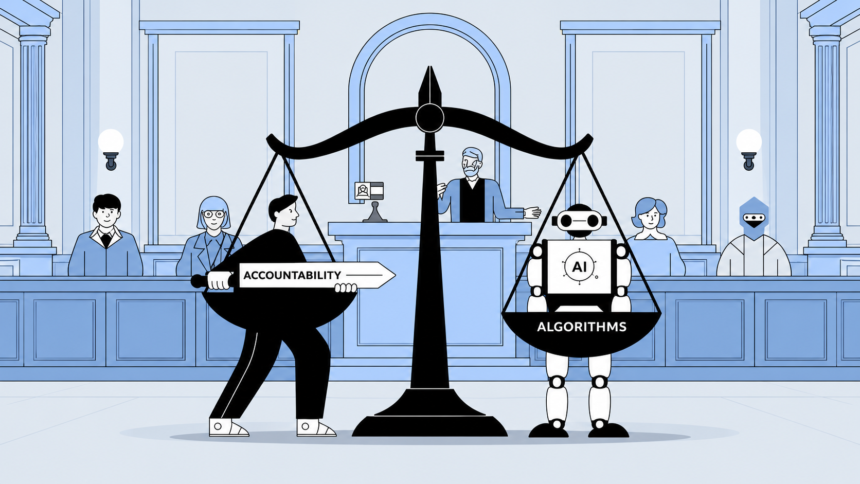
The complaint also refers to earlier concerns around chatbot use in moments of mental distress. That makes the OpenAI lawsuit more than a single-state consumer protection case. It raises a harder question: how far should AI companies be held responsible when users rely on chatbots during unsafe or unstable situations?
The answer is not simple. ChatGPT is used by millions for work, study and general help. Many users see value in the product. But the OpenAI lawsuit says the same tool can create serious risks when guardrails fail or when young users treat an AI chatbot as a trusted companion.
The AI industry has faced growing pressure over safety, data use and product design. The AI Decode has also covered how AI coding tools pose serious risks for developers, showing that trust in AI systems is now a wider business issue.
For OpenAI, the Florida case may become an important test. The OpenAI lawsuit will show whether courts treat chatbot safety as a product-design problem, a consumer protection issue, or something regulators have not yet defined clearly.