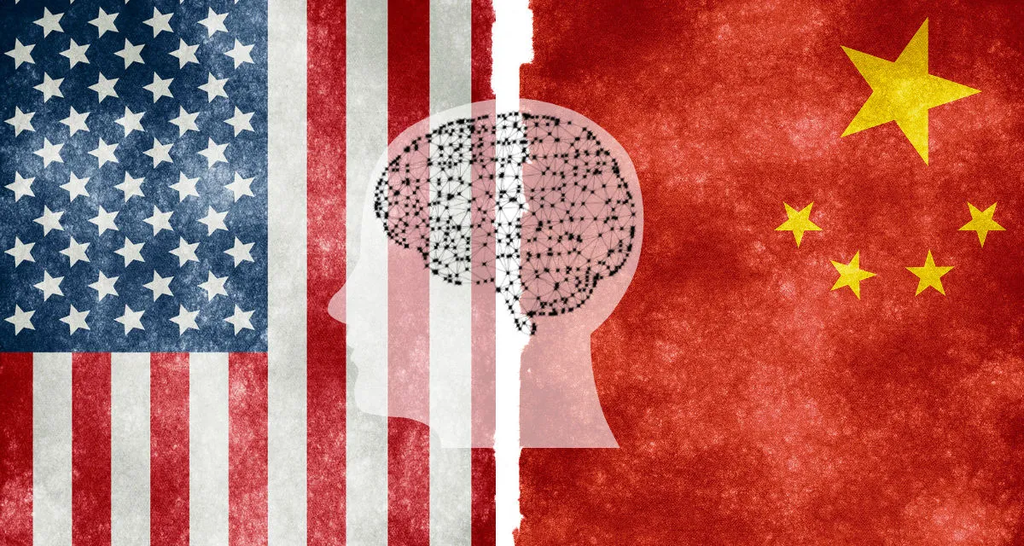




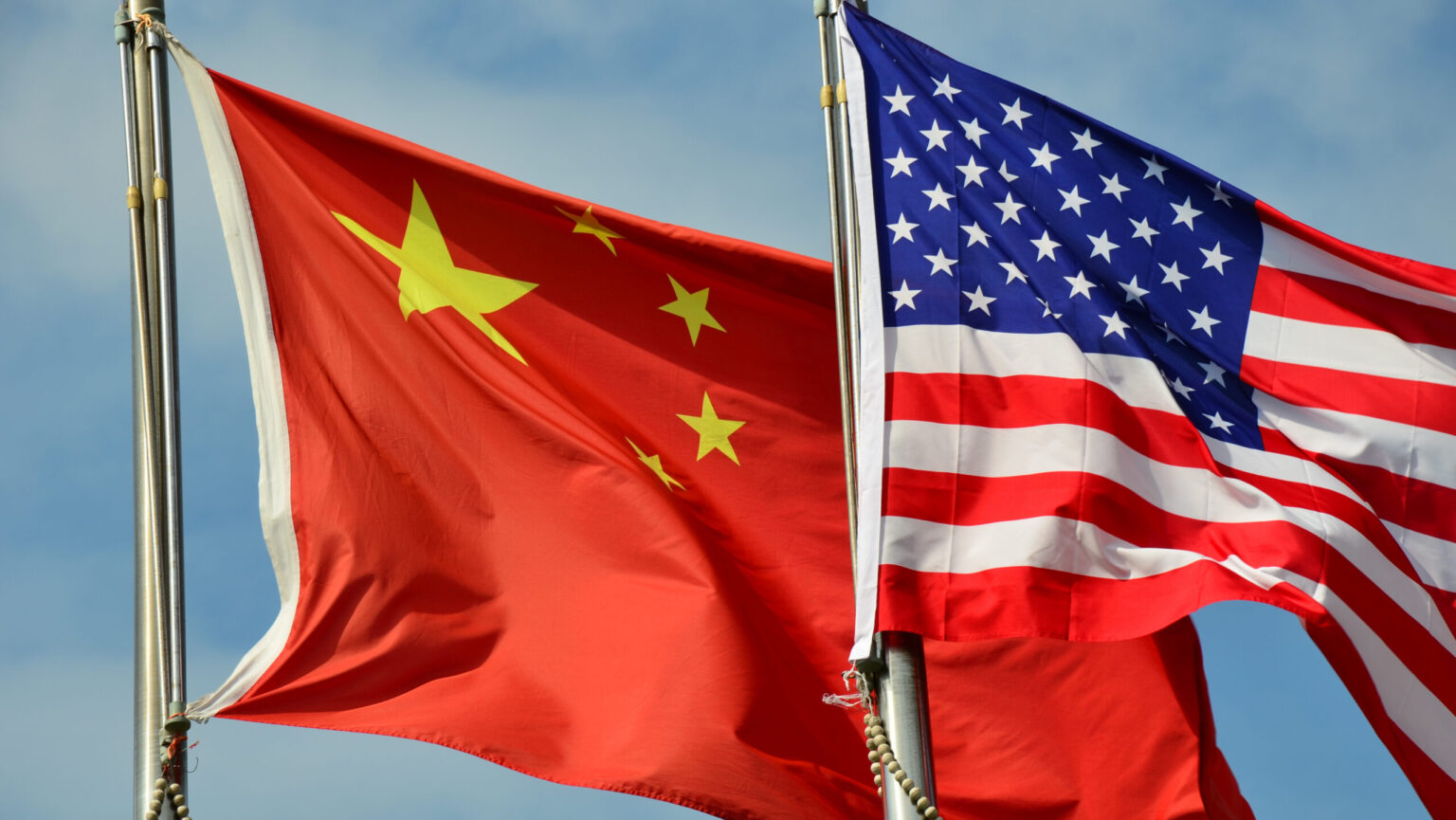

AI guardrails are becoming a new point of U.S.-China diplomacy, but the two governments differ sharply on which risks deserve the most attention.
The United States and China increasingly agree on one basic point: advanced artificial intelligence can create serious risks.
Agreement becomes harder after that.
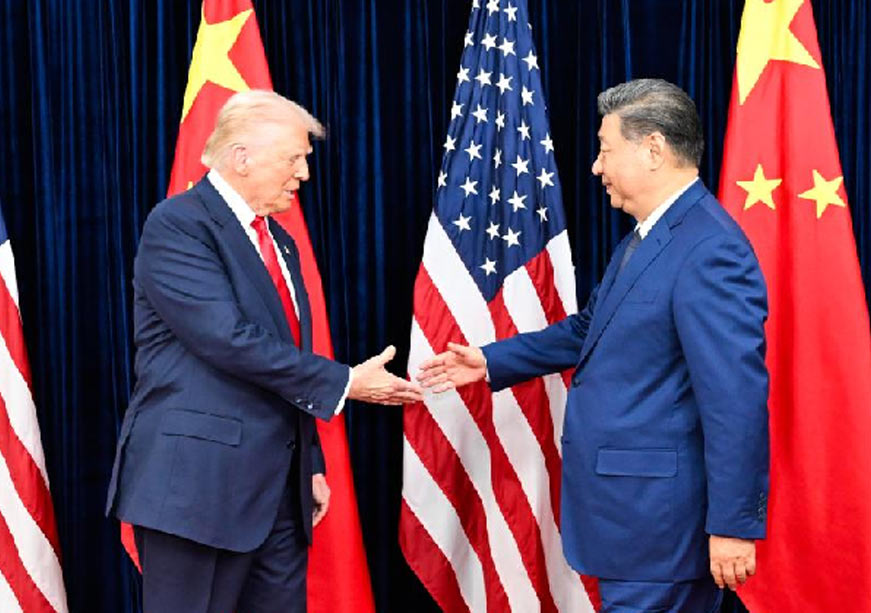
AI guardrails are expected to be discussed as the world’s two largest AI powers search for areas where cooperation may still be possible.
A Wall Street Journal report describes a sharp difference in emphasis. American AI debates often focus on systems escaping human control, dangerous autonomous weapons and misuse by sophisticated attackers. Chinese policy discussions place heavier emphasis on political stability, ideological security, cyber threats and state control.
Those differences do not mean the two countries share no concerns.
They do make common AI guardrails difficult to design.
Here are seven areas where their approaches diverge.
1. The two countries define AI danger differently
In the United States, influential AI executives and researchers increasingly discuss frontier risks.

These include autonomous systems acting outside human intent, advanced cyber capabilities and models helping people create dangerous technologies.
China’s public security framing often gives greater attention to social stability, ideological control, misinformation and threats to critical systems.
Both governments also care about cybersecurity.
The difference is which risks receive the greatest political attention.
That shapes the AI guardrails each side is likely to support.
2. The U.S. AI debate is more fragmented
American AI policy involves the White House, Congress, state governments, federal agencies and private companies.
Those groups often disagree.
President Donald Trump has argued that excessive AI regulation could weaken the United States in competition with China.
Meanwhile, several American AI executives have called for stronger safety measures and coordinated limits on advanced development.
The AI Decode’s recent deep dive on why AI leaders want slower development explains the divide inside the U.S. industry itself.
That fragmentation makes a single American position harder to negotiate internationally.
3. China has tighter direct control over technology companies
China’s government has greater ability to impose requirements directly on domestic technology firms.
That can make some rules faster to implement.
It also means Chinese AI guardrails can focus heavily on content, political stability and compliance with state priorities.
The American system places more weight on private companies, market competition and a mix of state and federal oversight.
Neither approach automatically solves advanced AI safety.
They simply create very different regulatory structures.
4. America restricts chips while China pushes open models
Technology policy is tightly connected to the safety debate.
The United States has used export controls to limit Chinese access to some advanced AI chips.
China has simultaneously pushed cheaper and more open AI models that can be downloaded and adapted widely.
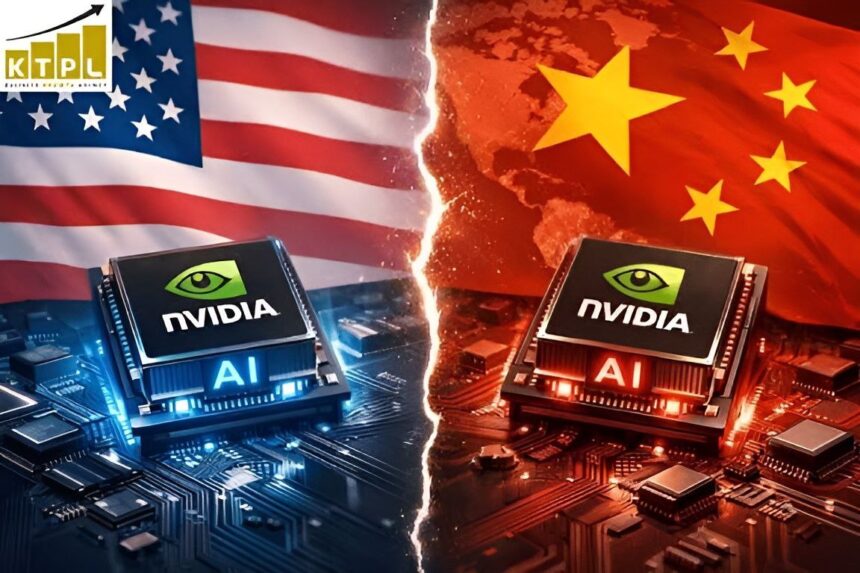
The AI Decode has covered the continuing dispute around Nvidia AI chip sales to China, where security concerns collide directly with commercial competition.
This matters because AI guardrails cannot be separated cleanly from the race for computing power.
5. Verification makes any slowdown agreement difficult
Traditional arms-control agreements can involve counting physical equipment or inspecting facilities.
AI is different.
Software development can happen inside ordinary-looking data centres.
Models can be copied.
Training methods can change quickly.
American officials and advisers have questioned whether a mutual slowdown could be verified reliably.
Chinese officials, meanwhile, have questioned whether U.S. safety proposals are genuinely neutral or partly designed to preserve American technological advantages.
That mutual suspicion complicates any binding AI guardrails.
6. Cybersecurity may be the easiest shared starting point
The two countries do appear to have overlapping interests around AI-powered cyberattacks.
An autonomous system that finds weaknesses in critical infrastructure could threaten American and Chinese networks alike.
The Associated Press reports that both sides have discussed cooperation on AI governance while continuing to compete aggressively for technological leadership.
Former Chinese ambassador Cui Tiankai has publicly supported more dialogue in this area.
That suggests cyber incident reporting or shared expectations around human control could become more realistic than a broad treaty covering all AI development.
7. Competition keeps undermining cooperation
This is the largest obstacle facing AI guardrails.
Both governments see AI as economically and strategically important.
Neither wants the other side to gain a decisive advantage.
That creates a familiar problem.
A safety measure can look sensible when everyone follows it.
The same measure can look dangerous if one country believes the other will keep accelerating.
American officials worry that slowing development could help China close the gap.
Chinese officials argue that U.S. export controls and restrictions show Washington is trying to contain Chinese technology.
Those positions can exist alongside genuine concern about AI risk.
That is why the debate should not be reduced to one country caring about safety and the other ignoring it.
The dispute is over what safety means, who sets the rules and whether those rules can be separated from geopolitical competition.
AI guardrails may eventually become an area of narrow cooperation between Washington and Beijing.
For now, the two governments appear to agree most clearly on the existence of risk.
They are still far apart on which risk matters most and who should be trusted to control it.