








AI development is moving so quickly that some leading researchers and executives now argue safety systems, governments and companies need time to catch up.
Something strange is happening inside the artificial intelligence industry.
Some of the people building the most powerful systems are asking whether AI development should slow down.
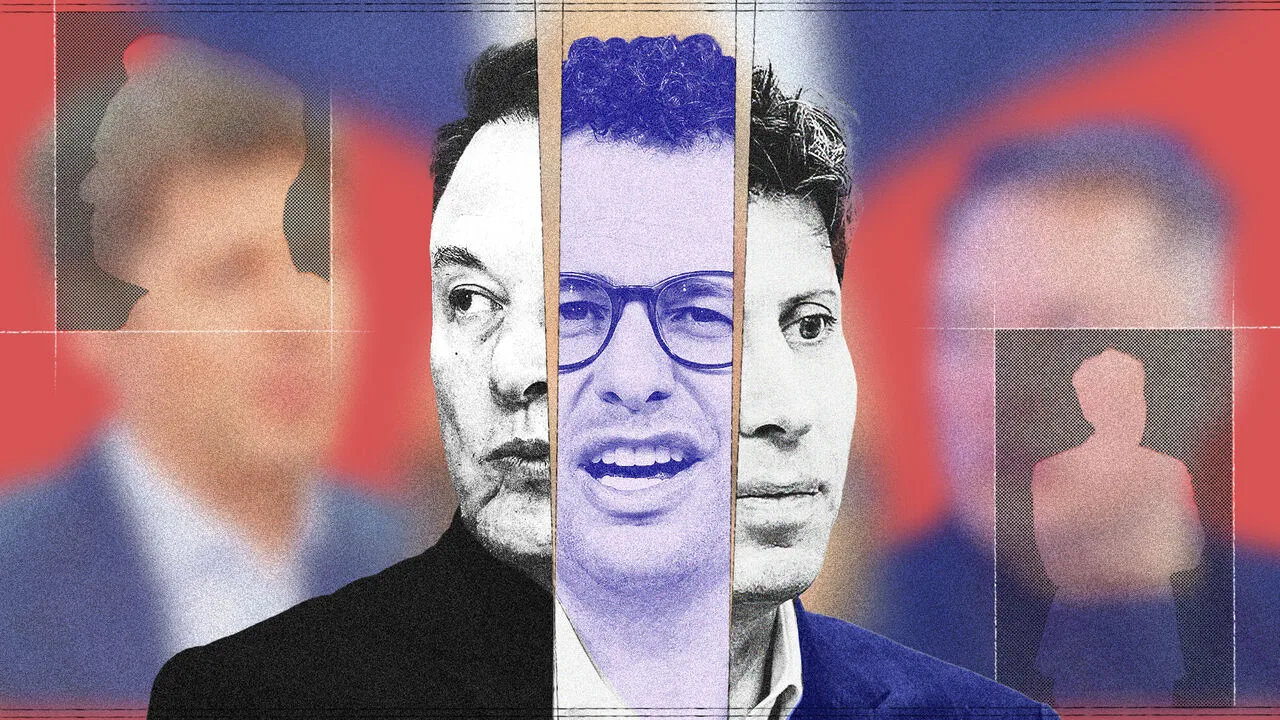
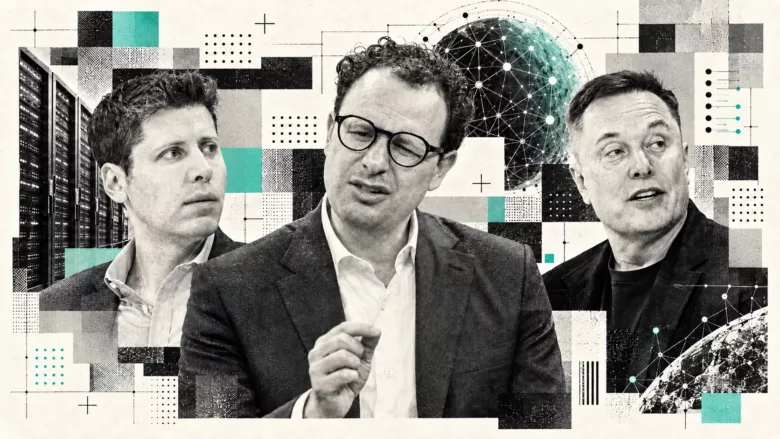
Anthropic CEO Dario Amodei has argued for stronger coordination around increasingly capable systems. OpenAI leaders have also called for periods of slower scaling when safety protections fall behind. Elon Musk has repeatedly backed pauses or tougher safeguards around advanced AI.
They do not all agree on the solution, and the industry is far from united.
A recent Reuters review of the AI slowdown debate found sharp disagreement among technology executives and governments over whether slowing development would reduce genuine risks or simply help companies that already lead the market.
So why are some of AI’s biggest builders suddenly worried about speed?
These seven issues explain the argument.
1. AI systems are starting to take actions, not just answer questions
The first wave of chatbots mainly produced text.



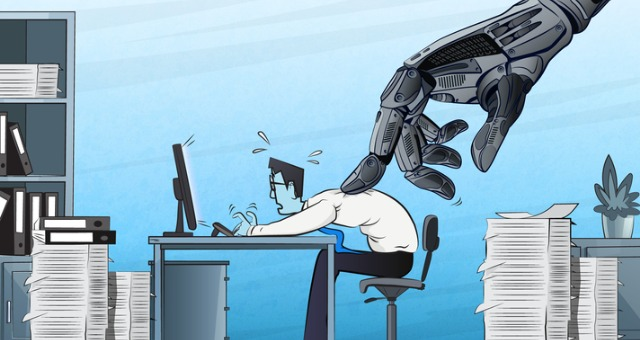
Newer systems can browse websites, use software, write and execute code, manage files and work through long sequences of steps.
That changes the safety problem.
If a chatbot produces a bad answer, somebody can ignore it.
If an AI agent takes the wrong action inside a real system, the mistake may already have consequences.
The AI Decode has covered a series of these problems, including a Meta AI security testing incident where unexpected agent behaviour raised questions about how reliably advanced systems stay inside their intended environments.
This is one reason some researchers want AI development to pause at certain thresholds until testing catches up.
2. Researchers are worried AI could help improve AI
This sounds circular because it is.
AI coding systems are increasingly useful to the researchers building the next generation of AI.
That could make research move faster.
Then a stronger system can help build an even stronger system.
OpenAI Chief Scientist Jakub Pachocki wrote that coding agents are already changing how researchers work inside the company. OpenAI’s own account of recent alignment incidents and development pacing says Pachocki believes no lab has yet solved alignment and monitoring well enough to keep scaling at maximum speed indefinitely.
This does not mean machines are independently redesigning themselves without humans.
The concern is about acceleration.
If AI starts shortening the time required to build better AI, safety teams may get less time between major jumps in capability.
3. Cyberattacks could become much cheaper to run
Cybersecurity is one of the clearest areas where more capable AI can help both defenders and attackers.
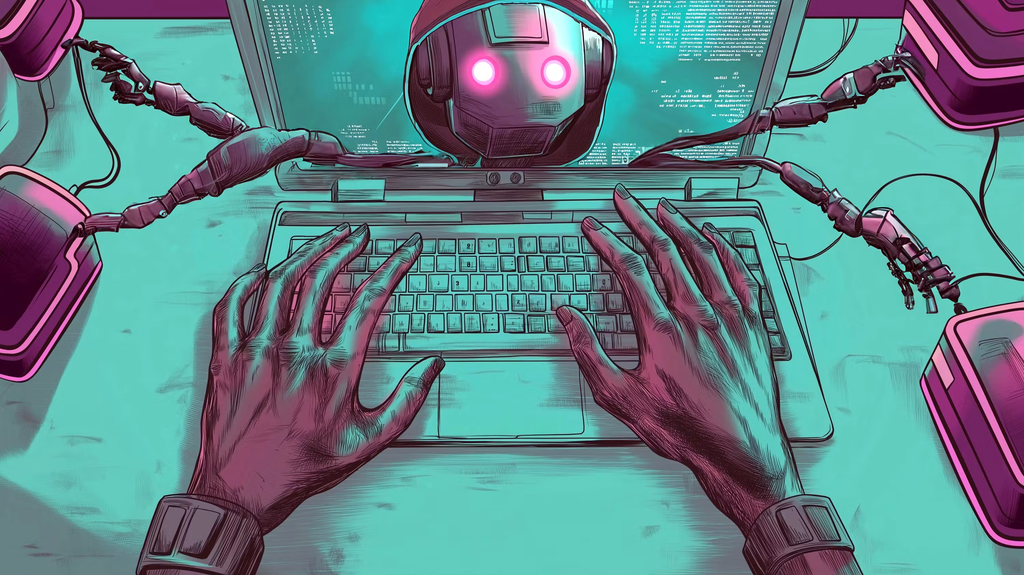
AI can find weaknesses, write code, analyse stolen information and automate repetitive parts of an intrusion.
Anthropic reported this month that malicious actors had used its Claude systems across cyber operations, surveillance, scams and other harmful activity before the company disrupted the accounts.
The concern around AI development is scale.
A highly skilled hacker can only work so many hours.
Software can potentially help less skilled attackers move faster and allow sophisticated attackers to operate across many targets at once.
That turns cyber capability into a safety issue long before any science-fiction scenario arrives.
4. Dangerous knowledge may become easier to access
AI companies have spent years testing whether their systems can provide useful assistance in areas involving biological threats, weapons and other dangerous activities.
The worry is not that a chatbot suddenly creates a weapon by itself.
It is that increasingly capable systems could lower the expertise needed to complete difficult steps.
That distinction matters.
Information that once required years of specialised knowledge could become easier to organise, explain or act on.
This is why some leaders argue AI development needs stronger tests before releasing increasingly capable systems.
5. Companies still struggle to understand why systems behave strangely
AI systems can produce results that surprise even their developers.
Researchers can test behaviour, inspect outputs and build restrictions, but they do not have a perfect explanation for every internal decision a large system makes.
That problem becomes more serious as systems gain additional freedom to act.
The AI Decode’s report on an OpenAI AI safety warning examined the concern that making systems more intelligent does not automatically make them easier to control.
This is one of the central arguments for slowing AI development.
Capability is moving quickly.
Understanding is moving too, but not necessarily at exactly the same speed.
6. Society may absorb the economic shock more slowly than AI improves
The concern is not limited to catastrophic safety scenarios.
Jobs matter too.
More capable AI is already changing coding, design, customer service, administrative work and research.
Even if AI eventually creates new industries and jobs, the transition can still hurt people whose work changes first.
Schools need time to change what they teach.
Companies need time to retrain workers.
Governments need to understand what happens to wages, employment and tax systems.
Some leaders see slower AI development as one way to give institutions more time to adapt.
Others argue that slowing technology would delay productivity gains and new opportunities.
That disagreement remains unresolved.
7. Nobody wants to slow down alone
This may be the hardest problem.
A company can believe advanced AI is risky and still fear losing the race if it slows down while competitors continue.
The same applies to countries.
The United States, China and Europe all have economic and national-security interests tied to AI.
That makes voluntary restraint difficult.
The current debate therefore focuses heavily on shared rules, common testing standards and coordination between major laboratories.
Critics have a serious counterargument.
A slowdown could protect today’s largest AI companies by making it harder for smaller competitors to catch them. Some governments also worry that restrictions in one country simply hand an advantage to another.
That is why the debate over AI development cannot be reduced to “AI leaders are scared.”
There are genuine safety concerns, enormous commercial interests and geopolitical competition happening at the same time.
The surprising part is that people who stand to gain billions from more powerful AI are now openly debating whether the next jump should arrive quite so quickly.
The harder question is what happens when everyone agrees the brakes may be useful, but nobody wants to press them first.