





ChatGPT for Teens adds stronger controls as OpenAI faces questions over child safety
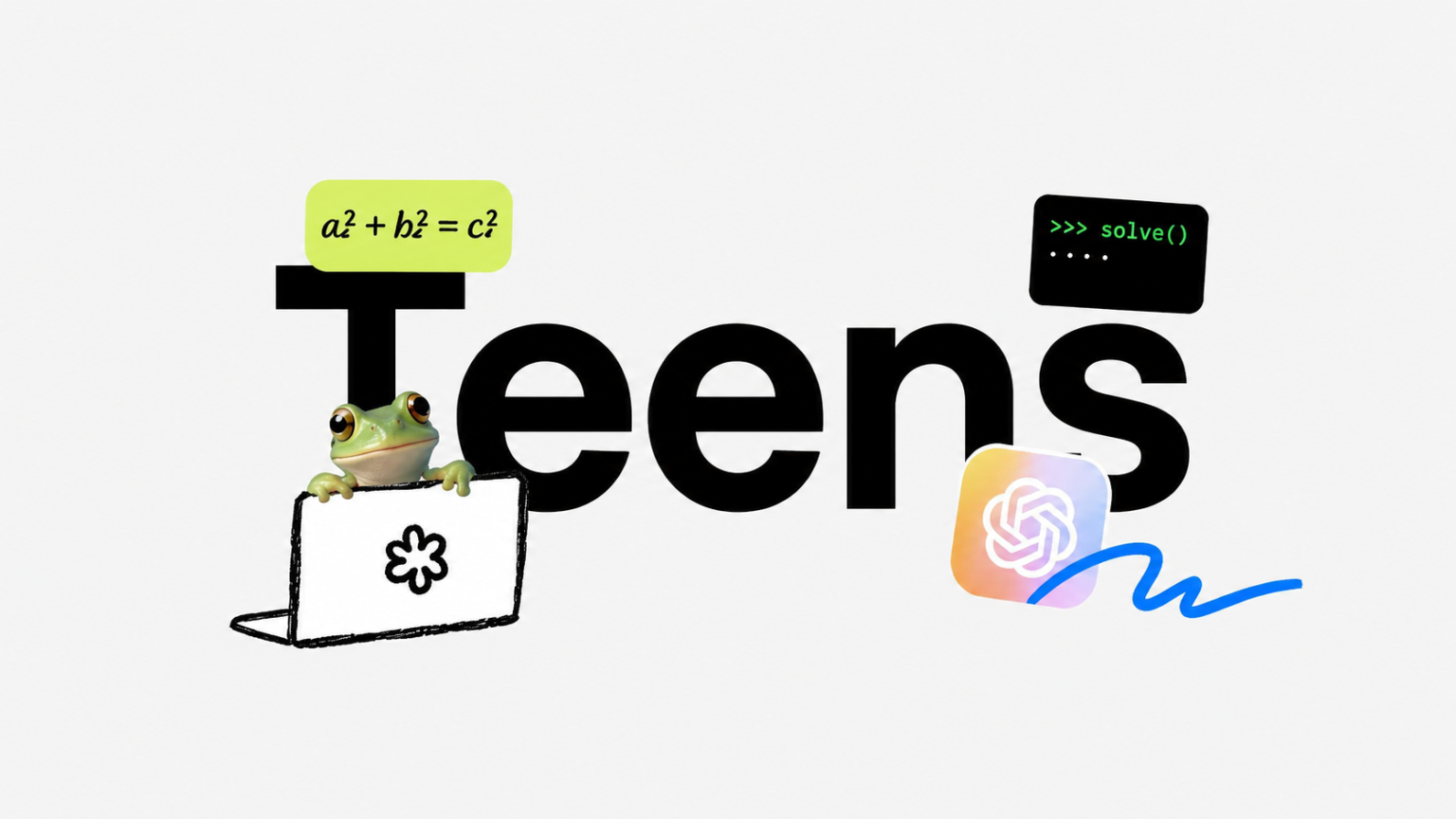
OpenAI has launched ChatGPT for Teens, a dedicated experience for users aged 13 to 17 that puts stronger restrictions around sensitive conversations and gives parents more control over how teenagers use the chatbot. The launch comes as OpenAI and other AI companies face growing scrutiny over the effect conversational AI can have on younger users.
According to Reuters, ChatGPT for Teens automatically activates when OpenAI estimates that a user is under 18 or when someone identifies themselves as being between 13 and 17. OpenAI says that when its age-estimation system is uncertain, it will default to the safer teen experience.
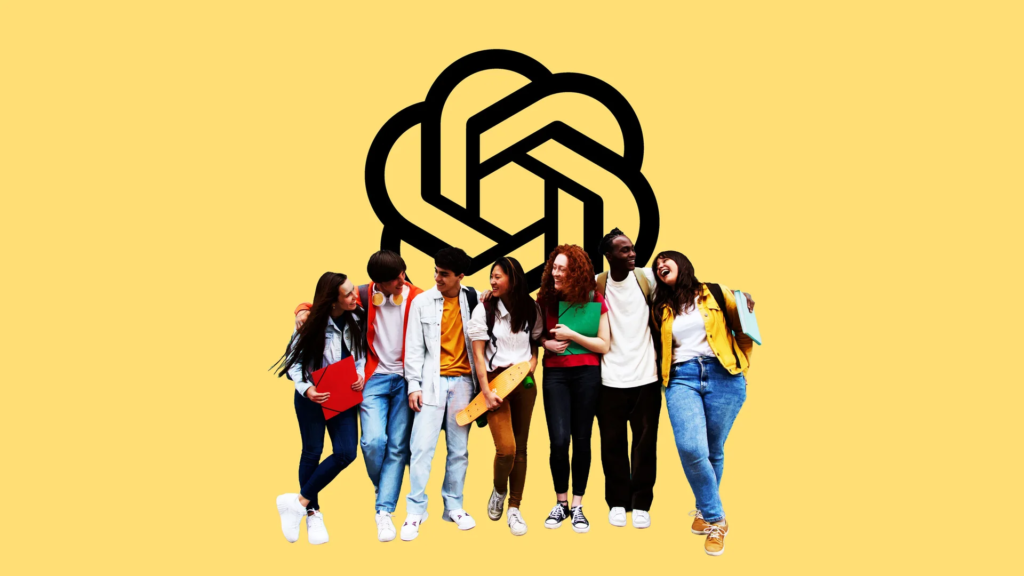
The safeguards cover areas where chatbot conversations can carry higher risks. ChatGPT for Teens limits discussions involving self-harm, violence, eating disorders and inappropriate romantic or sexual content. This matters because AI chatbots can hold long, personal conversations that may feel more like talking to a person than using a conventional search engine.
Parents can link their account to a teenager’s account and manage selected settings. OpenAI’s parental controls documentation says parents can set Quiet Hours, control features including voice, memory and image generation, and receive safety notifications in limited high-risk situations. The controls do not allow parents to read a teenager’s conversations.
Education is the other part of the rollout. ChatGPT for Teens includes Study Mode, quizzes, homework reminders and learning tools designed to guide students through a problem instead of simply handing them an answer. That approach addresses a separate concern around AI in schools: students can use chatbots to learn faster, but they can also use them to avoid doing the reasoning themselves.
That tension is already visible. The AI Decode’s coverage of AI student learning examined how dependence on AI can reduce the effort students spend solving problems independently. OpenAI’s teen version appears designed to keep the educational benefits while adding more friction around shortcuts and unsafe interactions.
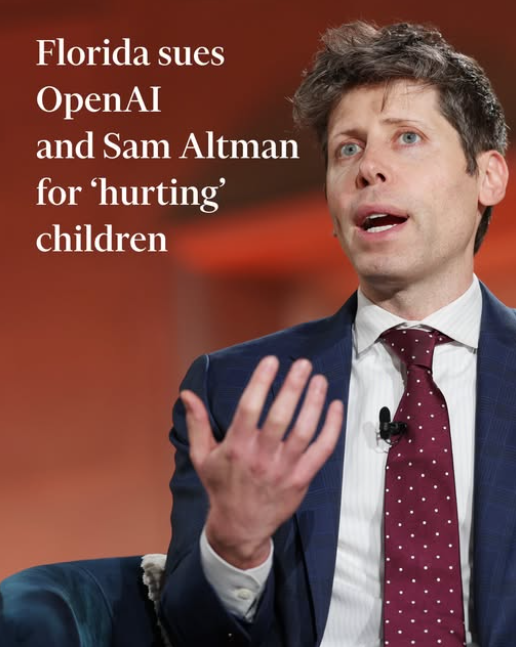
Safety pressure is harder to solve with product settings alone. OpenAI already faces legal scrutiny over allegations involving young ChatGPT users. The AI Decode’s OpenAI lawsuit coverage examined Florida’s June 2026 case over alleged child-safety risks. OpenAI has disputed allegations that it disregards safety and continues to add protections to its products.
The central test for ChatGPT for Teens will be whether age estimation and stronger defaults work reliably in normal use. Teenagers may benefit from a chatbot that can explain schoolwork at any hour, but the same conversational ability makes mistakes more consequential when discussions turn personal or sensitive.



OpenAI has now drawn a clearer line between its adult and teen experiences. What comes next is evidence: whether ChatGPT for Teens can reduce harmful interactions without making its educational tools significantly less useful.