





AI student learning debate grows after IIT alumnus warns against overdependence
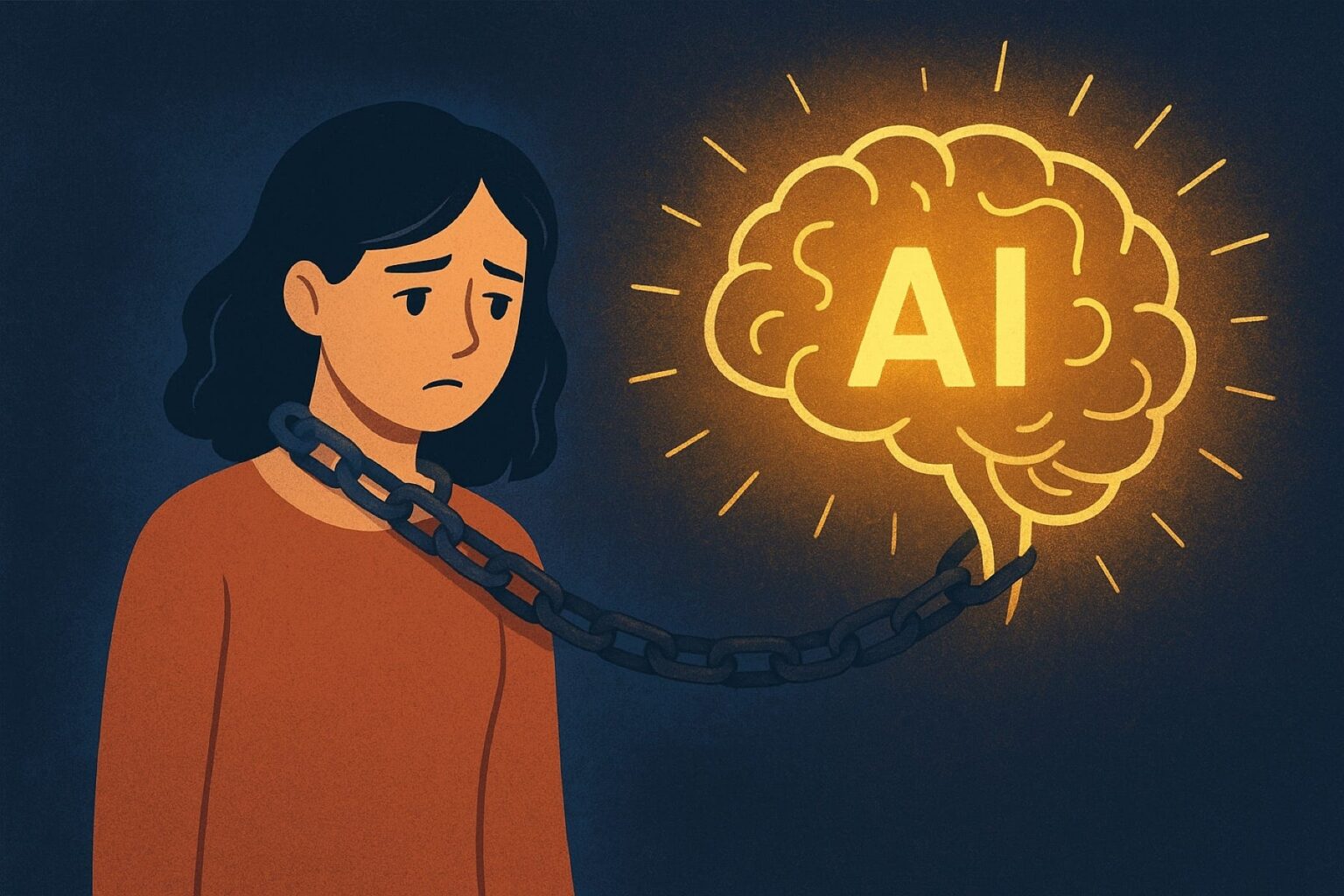
AI student learning is back under scrutiny after IIT alumnus and startup founder Devaansh Bhandari warned students not to let artificial intelligence replace the hard parts of learning. According to India Today, his post on X argued that students should use AI to learn faster, not to avoid thinking through assignments, bugs or coding projects.
The point is not that AI student learning tools are useless. ChatGPT, GitHub Copilot, Claude and Gemini can explain concepts, generate code, summarize documentation and help students move through repetitive work faster. OpenAI has already pushed deeper into universities through ChatGPT Edu, which it launched in May 2024 for students, faculty and researchers.
Bhandari’s warning is about what gets lost when students skip the struggle. India Today reported that he recalled learning to code in 2020, when even basic bugs could take 30 to 40 minutes to solve through documentation, search and testing. That slow process, he argued, helped build technical fundamentals and problem-solving habits.
Research points to the same tension. A 2025 study by Microsoft Research and Carnegie Mellon University surveyed 319 knowledge workers and reviewed 936 examples of generative AI use. The authors found that AI often shifts critical thinking toward verification, editing and oversight, while reducing the effort users spend producing the first answer themselves.
That does not mean schools should ban AI. Stanford HAI’s 2026 AI Index said generative AI reached 53% population adoption within three years, faster than the personal computer or the internet. For students, the practical question is how to use AI student learning tools without turning them into answer machines.
The positive case is clear. AI can act like a tutor, explain a compiler error, produce practice questions and help a student compare different approaches. Used after an honest attempt, it can make learning more active. The risk is also clear. If every assignment begins with a prompt and ends with copied output, students may pass the task without building judgment.
This is why the debate matters beyond one viral post. As The AI Decode has reported on AI public trust, adoption is rising even as confidence in responsible AI use remains fragile. In classrooms, the next test is whether teachers can grade the reasoning process, not just the final answer.
The open question is simple: can AI student learning become a habit of guided practice, or will it become another shortcut that looks productive while weakening the skills students need later?