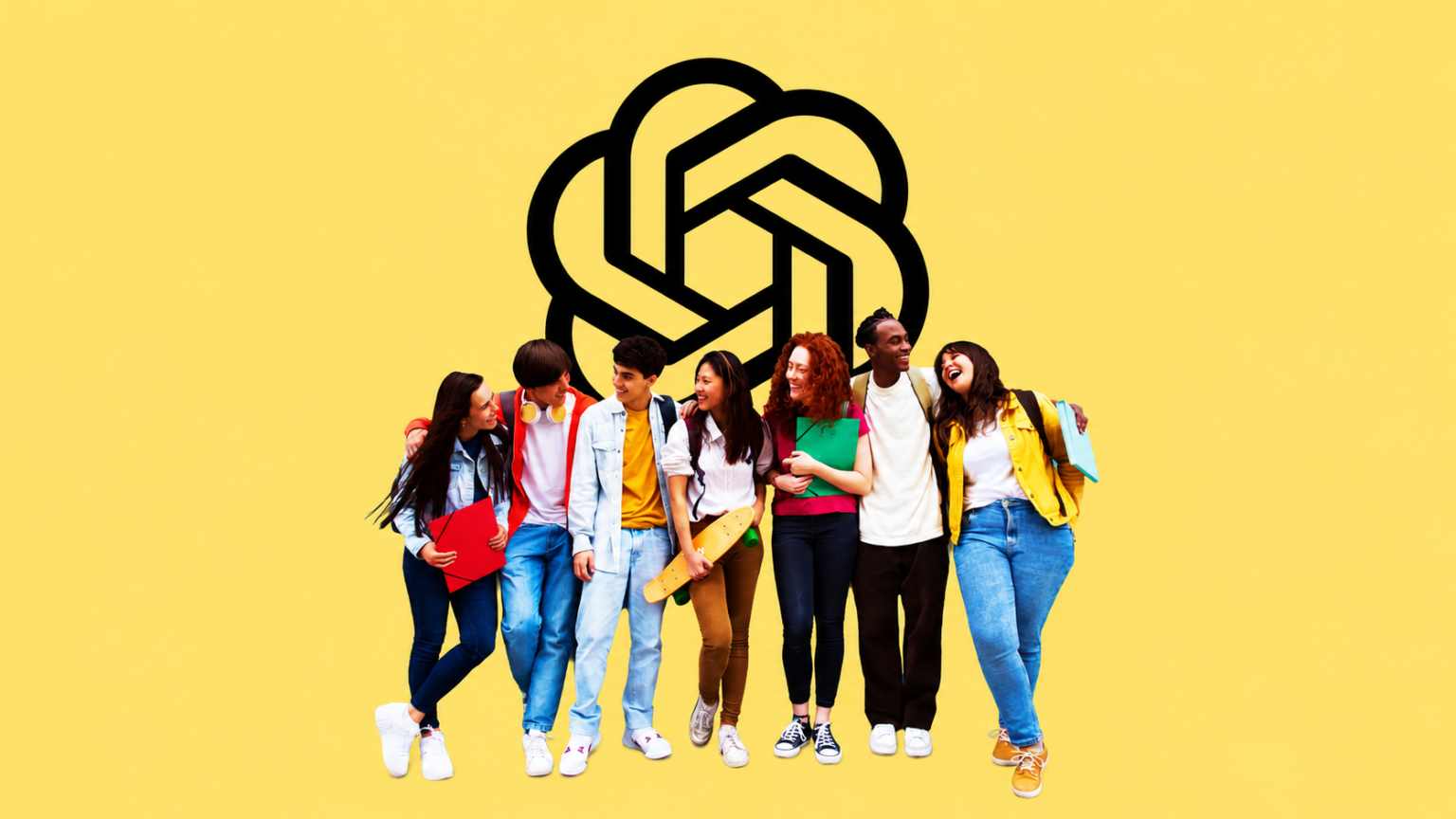

ChatGPT teens spend less than 15 minutes a day on the service on average, according to OpenAI, even as regulators and child-safety groups question whether current safeguards are enough.
ChatGPT teens spend less than 15 minutes a day using the chatbot on average, according to OpenAI’s first detailed report on how younger users interact with the service.
The number may sound modest compared with the hours many teenagers spend on social media. It does not settle the debate over whether conversational AI creates different risks.
According to Reuters, less than 2% of teenagers using ChatGPT spend more than three consecutive hours on the service.
OpenAI released the figures as lawmakers, parents and child-safety groups pay closer attention to AI chatbots and their effects on younger users.
ChatGPT teens use the service differently from social media
The average usage figure gives OpenAI an important data point in the discussion around ChatGPT teens.
Social-media platforms are often designed around feeds that encourage users to continue scrolling. ChatGPT is primarily built around individual conversations, questions and tasks.
Many teenagers use the chatbot for schoolwork, explanations, brainstorming and studying.
OpenAI has increasingly promoted education features such as Study Mode, which is designed to guide students through problems instead of immediately giving them an answer.



The company is also developing tools around quizzes and college planning.
That means total time spent inside the app may not be the best measure of risk.
A short conversation about homework is very different from a short but intense discussion involving self-harm, eating disorders or emotional dependence.
That distinction has become central to concerns about ChatGPT teens.
Safety concerns remain despite lower usage
OpenAI has introduced a separate experience for younger users.
The AI Decode previously covered ChatGPT for Teens safety upgrades, including stronger restrictions for accounts identified as belonging to people between 13 and 17.
The company uses age information and other signals to determine when additional safeguards should apply.
Parents can also connect their accounts to a teenager’s account.
OpenAI’s parental control documentation says parents can set quiet hours, manage selected features and receive safety notifications in limited situations.
Linking accounts does not allow parents to read a teenager’s conversations or monitor their activity in real time.
That gives ChatGPT teens some privacy while still allowing parents to control parts of the experience.
But child-safety organisations continue to question how well those systems work in difficult conversations.
Reuters reported that Common Sense Media found weaknesses in some protections, particularly around how quickly parents receive alerts about sensitive topics.
OpenAI said delays can happen because of account setup and the need for its systems to build enough context before determining that an alert is appropriate.
Break reminders appear to change behaviour
OpenAI has also tested reminders encouraging younger users to take breaks.
The company says nearly half of users who receive a break prompt either stop using ChatGPT or take a break afterward.
That suggests relatively simple interface changes can affect how ChatGPT teens use the product.
The harder issue is deciding when intervention is needed.
AI chatbots do not simply display posts written by other people. They generate replies specifically for each user and can continue a conversation for long periods.
That makes the relationship between user and product more personal than many traditional online services.
A teenager may ask the system for help with school and later discuss personal problems in the same conversation.
That flexibility is part of ChatGPT’s appeal. It also means safety systems need to work across very different situations.
The AI Decode has previously examined an OpenAI AI safety warning about the difficulty of keeping increasingly capable systems within intended boundaries.
Teen safety creates a more immediate version of that challenge.
Fifteen minutes does not answer every safety question
The new ChatGPT teens data provides useful context because it shows most younger users are not spending hours at a time inside the chatbot.
Still, average usage can hide important differences.
A teenager who asks five homework questions may use ChatGPT for ten minutes. Another may spend the same amount of time discussing a mental-health crisis.
Those sessions have very different consequences even though the usage statistics look similar.
OpenAI therefore has to measure more than minutes.
Response quality, age detection, parental notifications and how the model handles sensitive conversations may matter more than total screen time.
The company says it continues to update its safety systems as it collects more information about how teenagers use ChatGPT.
Regulators will also have to decide whether AI chatbots should face protections similar to social-media services or whether conversational AI needs its own rules.
For now, the ChatGPT teens report suggests heavy daily use is relatively uncommon.
The unresolved question is whether today’s safeguards are reliable enough during the smaller number of conversations where the stakes are much higher.