




YC AI startups show investor demand for agents, robotics and developer tools, but pricing risk is rising
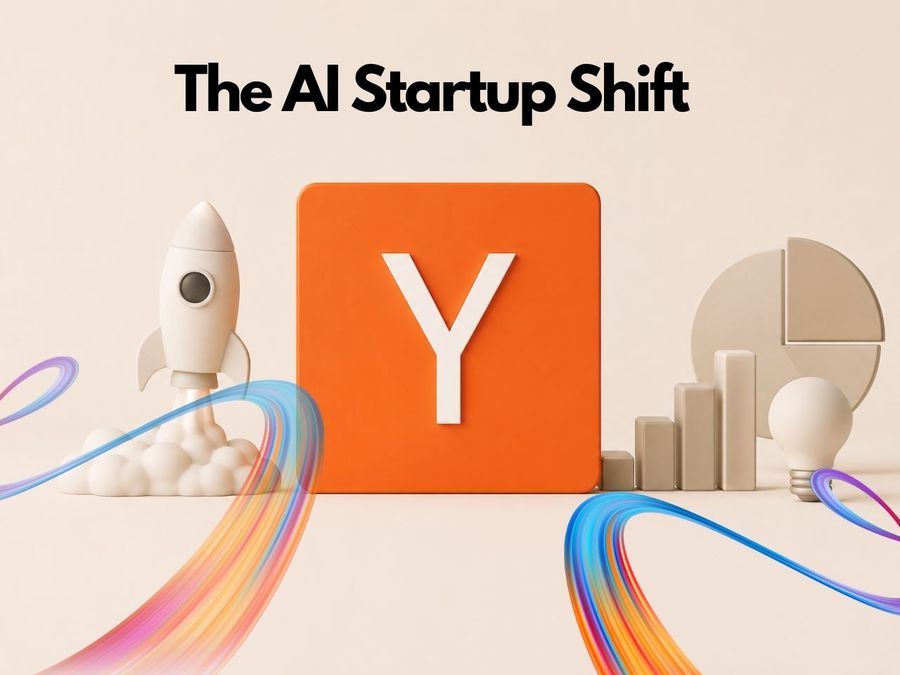
TechCrunch reported that YC AI startups dominated investor attention at Y Combinator’s Spring 2026 Demo Day. The batch included defense tech, robotics, AI infrastructure, developer tools and AI agents. TechCrunch said it spoke with eight investors to identify the most watched companies in the cohort.
The list shows how broad the YC AI startups theme has become. According to TechCrunch, investors pointed to companies such as 9 Mothers for AI-powered counter-drone systems, Arga Labs for digital twin environments to test AI agents, Silmaril for AI security infrastructure, Superset for managing more than 100 coding agents at once, and Ploy for AI-driven website and marketing automation.
Valuation is the pressure point. TechCrunch reported that at least two companies in the batch were seeking valuations of $175 million or more. The report also said 9 Mothers was being discussed at a valuation above $200 million, according to one venture investor cited by the publication. That is a large price for companies still close to Demo Day, even in a market where investors want early access to artificial intelligence infrastructure.
Y Combinator’s own standard deal gives each accepted company $500,000. According to Y Combinator, $125,000 converts into a fixed 7% stake, while the remaining $375,000 is invested through an uncapped MFN safe. That early capital helps founders move quickly, but Demo Day still tests whether outside investors believe the company can grow into its next valuation.
Ploy is one example of why investors are paying attention. The company said in its funding announcement that it raised $27 million from First Round Capital and Y Combinator. Ploy describes its product as an all-in-one marketing platform built around a company website, with agents that design pages, write copy, run campaigns and sync data back to customer systems.
The positive case for YC AI startups is that many are aimed at specific bottlenecks. Software teams need safer testing for agent-written code. Security teams need defenses against prompt injection. Marketing teams want faster campaign output. Defense buyers are also looking for cheaper ways to counter drone threats. These are real problems, which is why investors are moving early.
The skeptical case is that agent-heavy products still need proof in real workflows. A 2025 randomized study on AI coding tools found that allowing AI tools increased completion time by 19% for experienced open-source developers in that setting, even though developers expected the tools to save time. The result does not settle the broader market. But it is a useful warning that productivity claims around YC AI startups need field evidence.
That risk matters because many YC AI startups are selling into developer, security and infrastructure workflows where small failures can become expensive. The AI Decode has also covered how AI coding tools can raise higher-stakes security questions when they touch complex systems.

The next test for YC AI startups is not whether investors are interested. They clearly are. The harder question is whether these companies can turn Demo Day attention into durable revenue before today’s high seed prices become tomorrow’s fundraising problem.