




Apple OpenAI Lawsuit escalates over alleged stolen designs and destroyed evidence
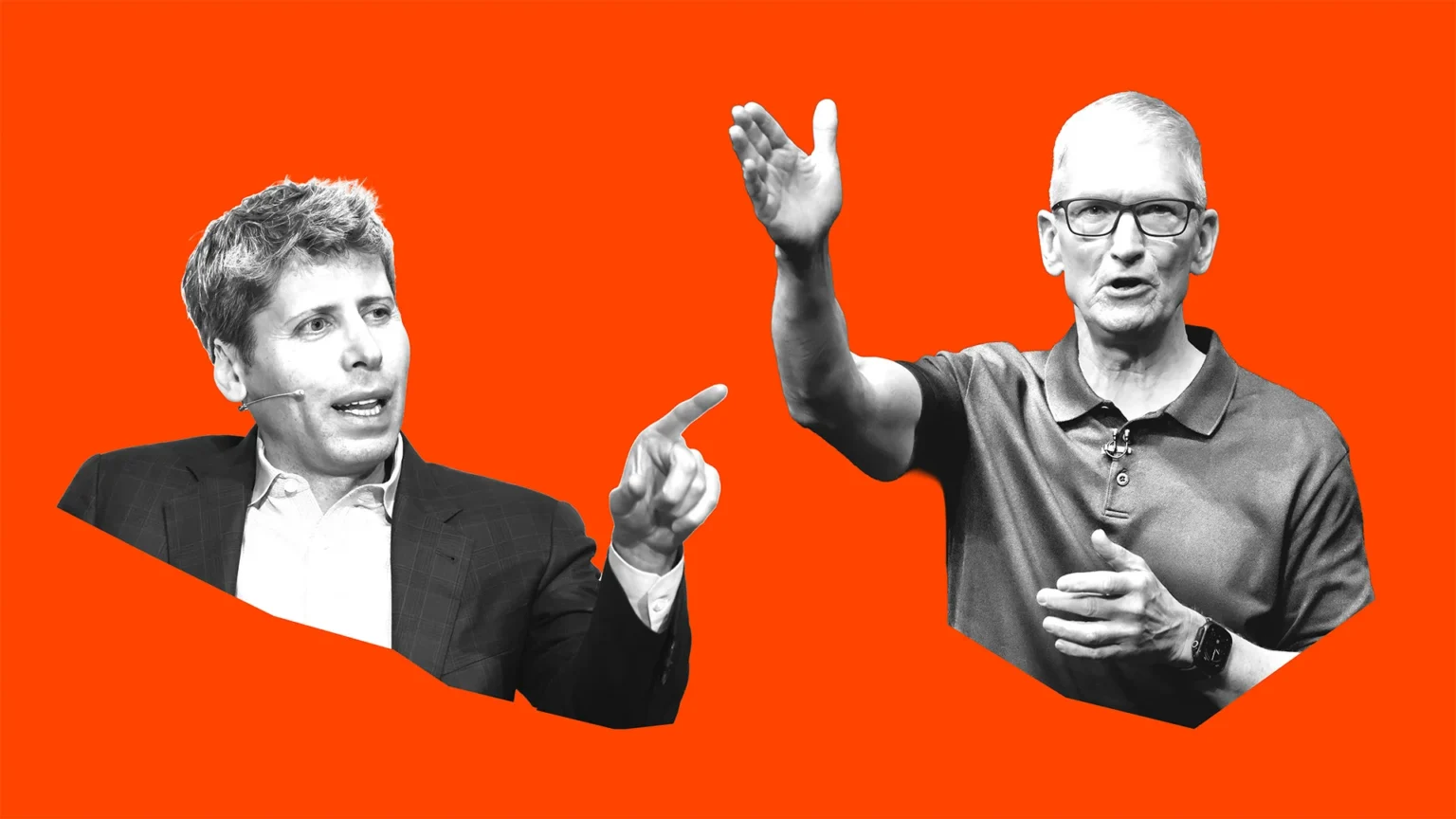
The Apple OpenAI Lawsuit has escalated after Apple accused a former employee now working at OpenAI of accessing confidential circuit designs and attempting to destroy evidence after learning he was under investigation.
According to India Today, Apple made the allegations in a new court filing involving former senior system electrical engineer Chang Liu. OpenAI denies Apple’s broader trade-secret claims.
What Apple says it found
The latest Apple OpenAI Lawsuit allegations center on an Apple-issued MacBook that OpenAI provided to Apple on August 21.
Reuters reported that Apple claims a forensic examination showed Liu accessed a proprietary power-converter circuit schematic after joining OpenAI.
Apple further alleges that Liu used confidential information while training an AI agent in March 2026.
India Today reports that Apple also claims Liu sent instructions for destroying evidence to an OpenAI colleague after discovering Apple was investigating him. Some of the supporting material remains sealed or redacted, meaning the public cannot independently examine the full evidence behind Apple’s claims.
OpenAI disputes Apple’s version
The Apple OpenAI Lawsuit is far from settled.
OpenAI argues Apple has failed to show that its trade secrets were actually misappropriated. The company says lingering access to Apple systems resulted partly from Apple’s own procedures for departing employees.


Liu has argued that some post-employment access occurred while helping former Apple colleagues find files.
That distinction matters. Accessing confidential information after leaving a company and actually transferring or exploiting protected trade secrets are separate questions that the court will have to examine.
OpenAI has also said it does not want Apple’s trade secrets.
Why the dispute matters for OpenAI
The fight arrives as OpenAI expands beyond software and into consumer hardware. Apple says more than 400 former Apple employees now work at OpenAI, according to India Today.
The two companies were previously partners, with ChatGPT integrated into Apple’s ecosystem. Their relationship has become more complicated as OpenAI develops hardware with former Apple design chief Jony Ive.
Legal pressure on OpenAI is also coming from other directions. The AI Decode’s OpenAI lawsuit coverage examined a separate Florida case testing how courts may assign responsibility for risks linked to ChatGPT.
The broader issue is accountability as OpenAI expands into more sensitive areas. The AI Decode’s OpenAI cybersecurity report examined how stronger AI capabilities are forcing the company to tighten containment, monitoring and security procedures.
What happens next
Apple is seeking monetary damages and an order preventing the alleged use of its proprietary information. A judge is scheduled to hear arguments on Apple’s motion on October 1.
For now, the Apple OpenAI Lawsuit remains a set of contested allegations. Apple’s latest filing may strengthen its demand for faster discovery, but OpenAI is challenging both the accusations and Apple’s account of how former employees retained access.
The next important development will be whether additional unsealed evidence shows that Apple information was actually transferred or used to help OpenAI build competing hardware.