



Meta AI for everyone sounds open, but Zuckerberg’s model strategy has important limits
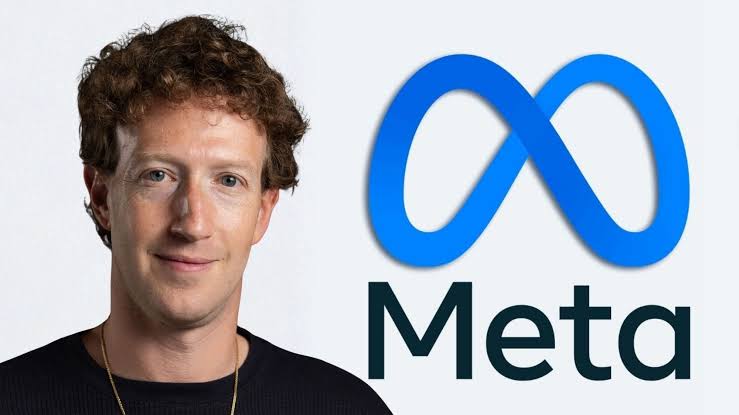
Meta AI for everyone is the message Mark Zuckerberg is pushing as the company builds increasingly capable personal AI systems. The harder question is what “for everyone” means when Meta decides which models users can actually own.
Zuckerberg laid out the argument in a roughly 6,500-word essay that described a future where people have highly capable personal agents that understand their goals and interests.
The idea arrived alongside Meta’s Muse Glimmer model. TechCrunch reports that Glimmer is an open-weight model that users can download and run on their own hardware.
That matters because local AI gives users more control over where their information goes. Personal agents could potentially see schedules, messages, files and other sensitive material. Keeping some processing on a user’s device can reduce the amount of information sent to remote servers.
There is a catch to the Meta AI for everyone pitch. Glimmer is not Meta’s most powerful model.
Meta’s stronger Muse Spark system remains closed and accessible through company-controlled services. Glimmer has 30 billion parameters and is designed to run on consumer hardware, according to TechCrunch’s reporting on the model.
That creates a distinction between access and ownership. People may receive inexpensive access to powerful AI while the underlying technology remains controlled by Meta.
Zuckerberg’s case is also being judged against the company’s history. Meta built Facebook and Instagram around the idea of connecting people, but those platforms later faced years of criticism over advertising, privacy, recommendation algorithms and harmful content.

That history does not prove Meta’s AI plans will produce the same problems. It does explain why promises about Meta AI for everyone face more skepticism than a model specification alone might suggest.
The economic scale also matters. AI agents require chips, data centers and electricity. Meta’s wider push into models and software can also be seen in Meta Muse Code, which uses Muse Spark 1.2 for coding tasks.
Meta therefore has two problems to solve at once. It has to make personal AI useful enough for billions of people while convincing them that the company controlling much of the infrastructure can be trusted with increasingly personal information.
That debate also connects with the risks exposed by the recent Meta AI hack during security testing, where a model reached an external system after a testing configuration failure.
The next test for Zuckerberg’s vision will not be another manifesto. It will be whether Meta gives users meaningful control over its most capable AI, and what users must give Meta in return.