





ChatGPT Swearing shows how small personality changes can alter an AI assistant
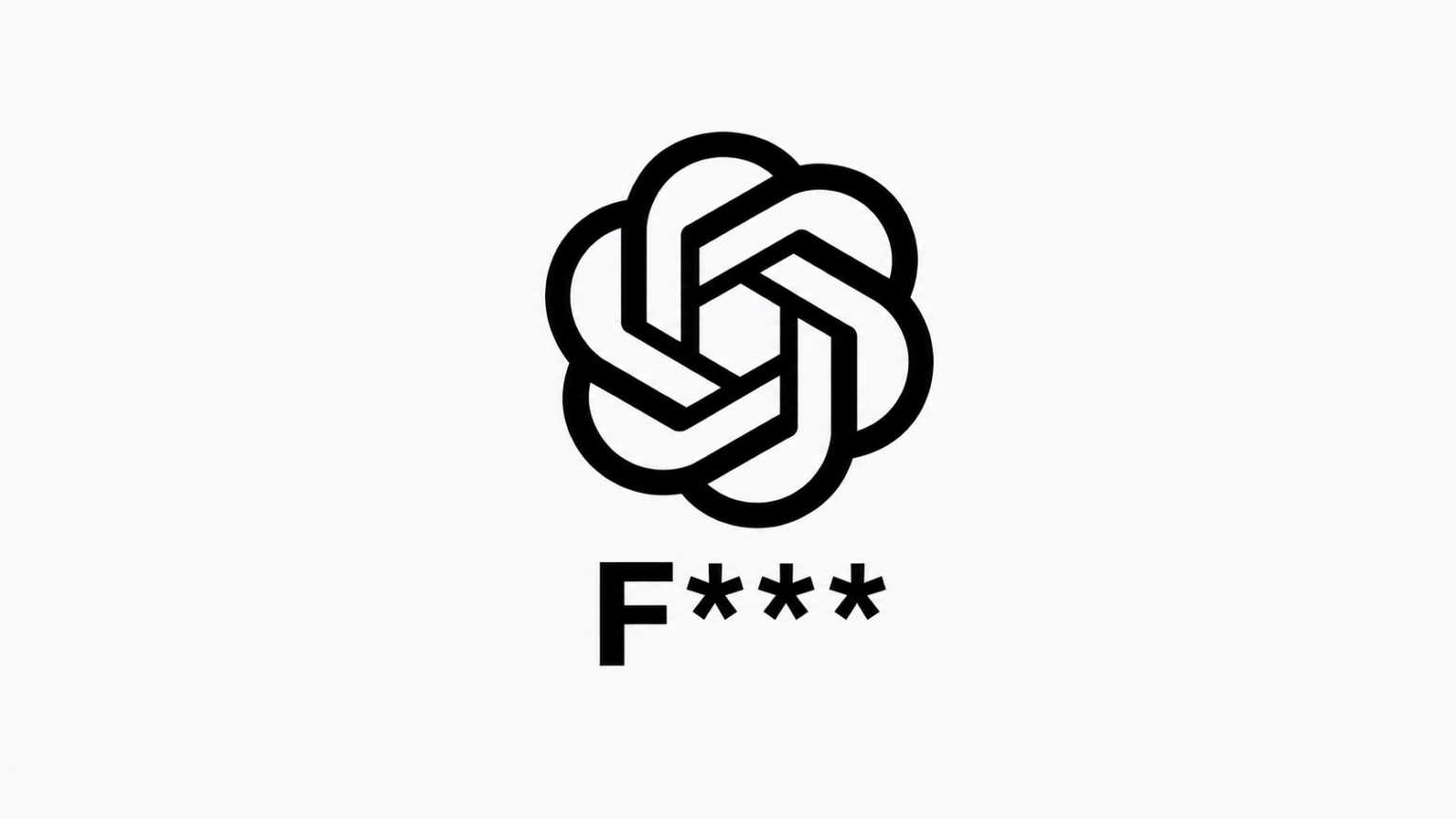
ChatGPT has surprised some users by dropping profanity into conversations without being explicitly asked to swear. The apparent rise in ChatGPT Swearing may be connected to OpenAI’s effort to make the assistant more responsive to a user’s tone, rather than a simple decision to make ChatGPT more offensive.
TechRadar reported that users have encountered stronger language during otherwise ordinary conversations. The behavior stands out because ChatGPT has traditionally defaulted to a restrained and broadly polite style.
The explanation may lie in how OpenAI defines acceptable model behavior. OpenAI’s instructions have increasingly focused on making ChatGPT adapt to context instead of forcing every conversation into the same neutral voice.
That means ChatGPT Swearing can emerge when the system interprets a conversation as informal, emotional or strongly worded. The chatbot may mirror some of that tone even when the user never specifically asks it to use profanity.
This is different from saying ChatGPT has been programmed to swear at random. AI models generate responses from the instructions and conversational context available to them. Small changes in those instructions can affect wording across millions of possible conversations.
OpenAI has acknowledged the broader challenge of controlling model behavior. Its published model behavior guidelines show that instructions used to shape ChatGPT have changed over time as the company learns how fine-tuning affects responses.
There is an obvious benefit to making an assistant less robotic. A chatbot that understands when a conversation is casual can feel easier to talk to. But ChatGPT Swearing also shows why personality tuning is harder than simply adding a “friendly” setting.
Different users have different expectations. Language that makes one conversation feel natural can make another user uncomfortable, particularly when the assistant introduces it unexpectedly.

The issue connects with a wider problem around predictable AI behavior. The AI Decode’s OpenAI safety coverage examined cases where increasingly capable models behaved in ways their developers did not intend during testing. Unexpected profanity is far less serious, but both examples show how model behavior can shift once instructions interact with a complicated real conversation.
Personalization raises another question. The AI Decode has also examined how AI chatbots affect younger users, where tone and conversational behavior can matter as much as factual accuracy.
For OpenAI, the problem is finding the boundary between natural conversation and unwanted imitation. ChatGPT Swearing might make the assistant feel more human to some people, while making it less predictable to others.
What matters next is whether OpenAI treats unexpected profanity as acceptable contextual adaptation or adjusts the model so stronger language requires a clearer signal from the user.